
OPINION: Kenya’s overlooked neighbourhoods are the real estate future
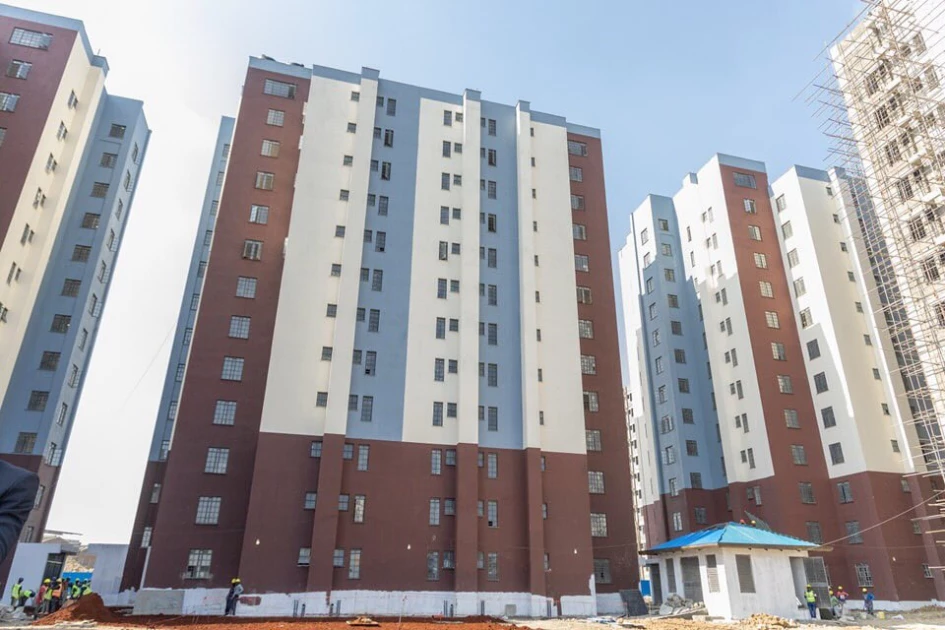
A file image of Mukuru Affordable Housing Project.

Audio By Vocalize
There has always been a false assumption that communities in low-income zones don’t long for taste, that the trader in Gikomba wouldn’t want a bachelor pad worth showing to their peers or a courtyard their children can invite friends to.
In Nairobi, names like Starehe, Muthurwa and Majengo are often whispered with a mix of caution and resignation. Seen as too informal, congested, or risky, these areas rarely attract serious real estate investment.
As a result, Nairobi continues to rank as the county with the lowest percentage of homeownership, with a 2024 study by the Kenya National Bureau of Statistics (KNBS) revealing that only 7.7 per cent of Nairobians own homes.
This poor rate of homeownership is not due to a lack of aspiration, but rather, a lack of equitable access. Although more buildings are being developed in the city, residents cannot afford decent housing due to the high cost of most real estate.
Additionally, roads with no drainage, neighbourhoods with limited schooling options and parking squeezed into what used to be sidewalks as things residents have to grapple with daily, due to unstructured planning.
Of the three million people who commute daily to Nairobi, according to the Nairobi Metropolitan Area Transport Authority (NaMATA), over 1 million ride matatus and approximately 850,000 walk, a clear indicator of where economic and social life truly lies, of where we should build.
If one were to look beyond the headlines that characterize low-income neighbourhoods, one would discover that these places offer something rare. Density with purpose. Movement with meaning. Life in full motion.
When we started working in places like Starehe, we didn’t begin with blueprints. We began by paying attention to people’s livelihoods. Their transit routes showed us what no report could: where people already live, work, shop and connect.
Areas marked high risk are often poorly lit, ignored by basic infrastructure, or forgotten by urban policy. And so we began to reimagine what development could look like, not as towers, but as touchpoints.
No serious developer would go to that side of town, as it was always written off as risky, too informal and unpredictable.
But the moment we started integrating playgrounds, basketball courts, kiosks, pharmacies and cafes, the moment young professionals began showing up not just as renters, but as owners, is the moment we discovered that underserved markets are opportunities hiding in plain sight.
Unfortunately, today, many developers are chasing the top 10 per cent of earners. If we reoriented to build where real lives unfold, we wouldn’t just be solving the housing crisis, we’d be redefining urban success.
The future of Kenyan cities should not be limited to boardroom meetings or speculative brochures. It should be shaped by how boldly we invest in places we've long overlooked.
The most resilient opportunities are anchored in people. Capital follows the movement of people, and if we pay attention, we just might build a city worth belonging to, not just passing through.
The Writer is the General Manager, GulfCap Real Estate, Starehe Point.
Join the Discussion
Share your perspective with the Citizen Digital community.
No comments yet
This discussion is waiting for your voice. Be the first to share your thoughts!