
What is the end game with a high tax regime on fuel?
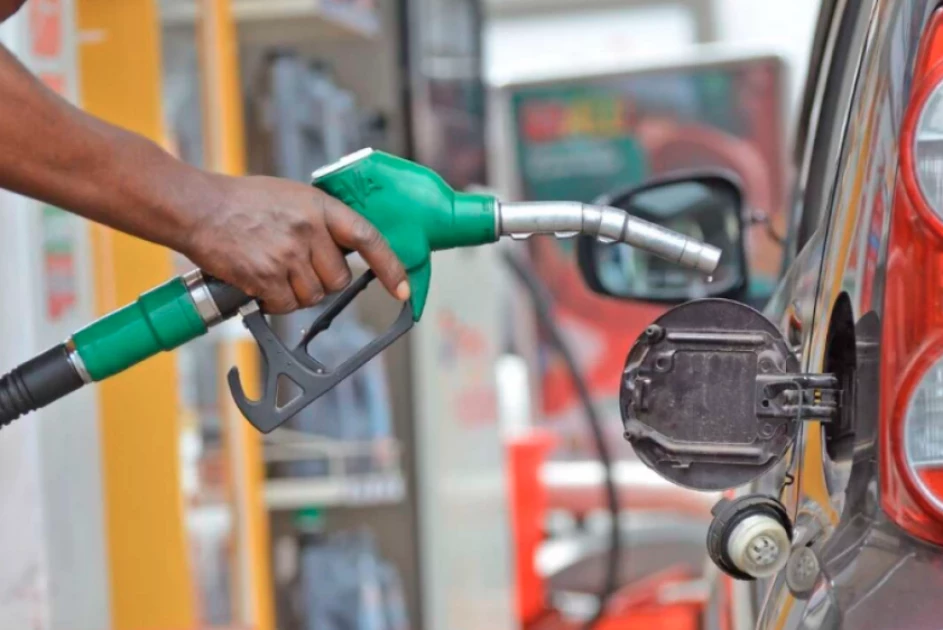
A petrol station attendant fuelling a car. Photo I File

Audio By Vocalize
When Members of Parliament passed the new administration’s proposed
Finance Bill, 2023, on the 22nd of June 2023, it came into effect with a
raft of tax measures all geared towards increased revenue collection for the
government.
Among them, despite heated opposition, was the increase in fuel tax from the 8% up to 16%. This notwithstanding the fact that the price of fuel in the country was already at an all-time high of around Ksh.182 in some parts of the country. The people of Kenya who reside in Eldas have to part with around Ksh.206 for one liter of petrol as those in Nairobi fork out around Kshs.194.
The Finance Act 2023 was however suspended when a petition opposing it was
filed at the High Court which then issued a conservatory order suspending its
implementation pending hearing and determination of the matter.
However, of interest is the fact that the Energy Petroleum and Regulatory
Authority (EPRA), despite the suspension of the contentious Finance Act 2023,
went on to increase the tax element on fuel products by a further 8% to stand
at 16%. They have also been subsequently taken to court for contempt of court
directions.
As fuel prices now stand at an all-time high, it would be interesting to
know just how things might turn out eventually, in the short and in the long
term as citizens contend with sky rocketing fuel prices.
A story is told in Kenya by an economics lecturer of repute, that in the
recent past, the government noticed it was losing so many citizens because of
illicit brew consumption and even more to addiction and dereliction owing to
the same menace.
The government took a very pragmatic step to contain the situation, it
requested the biggest local brewer to come up with a safe and cheap mass-brewed
drink for its people. The deal was; it was not going to charge any tax on the
product to ensure it remain cheap. A favourite drink was soon born, served in
mugs and ever so cheap, the trade in illicit deadly liquor soon plummeted and “Mama
Pima” took a back seat.
However, things took an about turn when the government looked at the healthy sales coming from the frothy liquid, it whetted its appetite and it desired a cut of the sales and so they charged the once tax-free drink some tax.
Down came the sales and with it the overall sales performance of the firm.
Hundreds of pubs selling the once favourite drink had to close down but the
worst part of the story is that grain farmers who once supplied grain to the
brewer for manufacturing the beer were left high and dry with nowhere to take
matured grain! Did the government meet its projections? It is doubtful!
The moral of the story is that each product has got a level at which its
price could rise without upsetting its customer base but beyond which the
product might suffer a critical lack of demand. Does the government ever think
of such scenarios before increasing tax on given products? They are best placed
to answer.
Economic concept of the Price
Elasticity of Demand and Supply
In the study of economics, there is the concept of price elasticity of both supply and demand. Price elasticity of demand is a measurement of the change in the consumption of a product in relation to a change in its price.
Akin to demand, supply also has an elasticity, known as Price Elasticity of Supply. It refers to the relationship between change in supply and change in price.
Economists use price elasticity to understand how supply and demand for a product change when its price changes. Together, the two elasticities combine to determine what goods are produced at what prices.
The
availability of a substitute for a product affects its elasticity. If there are
no good substitutes and the product is necessary, demand would seldom change
when the price goes up, making it “inelastic”.
What
makes a product inelastic?
Motor fuel is largely considered inelastic due to this reason. If a price change for a product does not lead to much, if any, change in its supply or demand, it is considered inelastic.
Generally, it means that
the product is considered to be a necessity (or a luxury item for addictive
constituents), such as fuel, bread (Ugali) and milk. There are
many reasons that can make demand for a good inelastic. With
gasoline, there are few substitute goods–a good that, if consumed, can
reduce the consumption of another good.
In this case, motor fuel in Kenya is an absolute necessity with almost no alternative save for renewable sources of energy which so far have not been heavily adopted in the country.
One reason why motor fuel has a low price elasticity of demand is because it is complementary to local transport or as economists say, the demand for petrol is constant whatever supply or demand factors arise.
Fuel price then goes on to
affect not only transportation of people and goods but also energy
production thereby increasing the cost of living in many spheres in Kenya.
One could think of a number of ways that Kenyans could cut
back on fuel consumption in response to higher prices. For example, people can
carpool when going to work or school, travelling long distances for the same function
in one trip instead of two, and so on.
Studies done in other jurisdictions to determine the price elasticity of demand for gasoline found that in the short-run (defined as 1 year or less), a 10% hike in the price of gasoline lowers quantity demanded by 2.6%. In the long-run (defined as longer than 1 year), a 10% hike in gasoline causes quantity demanded to decline by 5.8%.
The study also found that the volume of vehicular traffic would see a downturn
by around 1% within a year, building up to a reduction of about 3% in the
longer run (in about 5 years).
Second, the volume of fuel
consumed will go down by about 2.5% within a year, building up to a reduction
of over 6% in the longer run. The reason why fuel consumed goes down by more
than the volume of traffic is probably because price increases trigger more
efficient use of fuel (by a combination of technical improvements to vehicles,
more fuel-conserving driving styles, and driving in easier traffic conditions).
The study also foresaw the
efficiency of use of fuel going up by about 1.5% within a year, and around 4%
in the longer run. Lastly, it forecast that the total number of vehicles owned would
go down by less than 1% in the short run, and 2.5% in the longer run. This is
shaping up, despite the misery accompanying the high cost of life, to be a very
fertile area for research locally.
While one cannot say with absolute certainty what the magnitude rise in motor fuel taxes will have on quantity demanded in Kenya, it can be reasonably assured that a rise in gas taxes, all else being equal, will cause consumption to decrease, even if marginally.
Join the Discussion
Share your perspective with the Citizen Digital community.
No comments yet
This discussion is waiting for your voice. Be the first to share your thoughts!