

Formula One: Understanding Grand Prix weekends and lap time intrigues
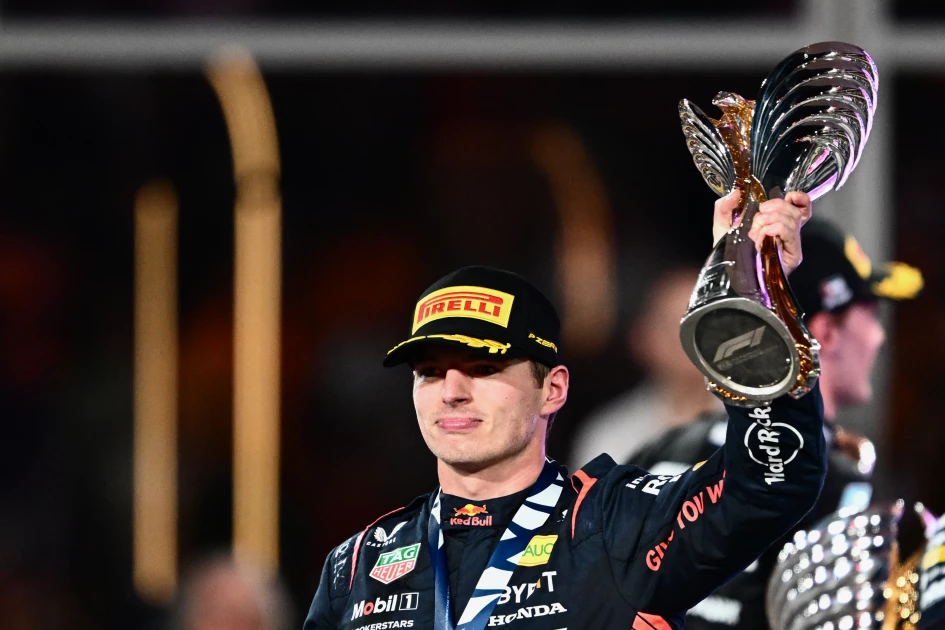
Red Bull Racing's Dutch driver Max Verstappen celebrates with the trophy on the podium after winning the Abu Dhabi Formula One Grand Prix at the Yas Marina Circuit in the Emirati city on November 26, 2023. (Photo by Jewel SAMAD / AFP)

Audio By Vocalize
Formula
One is the pinnacle of motorsport that features twenty of the best drivers in
the world, battling it out over 24 races across the world to crown the world
champion. But how does a Grand Prix weekend work?
The
series visits over 20 countries each year, from Qatar to Spain and the United
States, between March and December.
On a
typical Grand Prix weekend, the cars hit the track on Friday for practice,
Saturday for qualifying, then Sunday for the race.
Friday
Friday
has two one-hour Free Practice (FP) sessions: FP1 in the morning and FP2 in the
afternoon. The goal for the teams and drivers in this session is to test their
setup, push the limits of the car, and gather some useful data that will help
them for the rest of the weekend.
Lap times
are often slightly slower on Friday as the cars clear the dirt from the surface
and lay down fresh rubber on the track.
Saturday
On
Saturday morning, a third and final practice session offers the last opportunity
to change the car’s setup.
The
weekend then moves into the first competitive session on Saturday afternoon for
qualifying. This sets the grid for Sunday’s race, also known as the Grand Prix.
The
qualifying hour has three sessions: Q1, Q2, and Q3.
Q1 lasts
18 minutes, where drivers race against the clock to post the fastest lap time.
The slowest 5 drivers at the end of the session are eliminated from qualifying
and start the race in their respective positions.
The
beauty of this format is that some top drivers occasionally suffer shock
eliminations in the early parts of qualifying.
This can
occur if an incident on a track affects a driver’s lap or if sudden changes in weather
approach the circuit.
Winning
from the back of the grid is extremely rare. Only six drivers have ever won
17th or lower—the last of them being
Max Verstappen at the 2024 Brazilian Grand Prix.
The Q2
session is 15 minutes long and eliminates another five drivers, setting
positions 15 to 11. The remaining ten cars then progress to the final part of
qualifying.
Q3 sets
the final grid for the top ten, and the fastest driver in this session will
start the Grand Prix in 1st, also known as pole position.
Sunday
The race (Grand Prix) on a Sunday afternoon covers a minimum of 305 km and takes roughly 90 minutes to complete. The top ten finishers are awarded points, which contribute to the world championship standings, and the driver with the most points after the final race wins the title.
25 points
are awarded to the winner, down to one point for 10th. An additional point is
available to the driver with the fastest lap, but that point is only awarded if
the driver finishes the race in the top 10.
Sprint Weekends
The above
weekend format is the traditional layout that is used for the majority of
races.
However,
just to confuse things a little, F1 introduced sprint weekends in 2021 to add to
the excitement of the weekend
On a
sprint weekend, in which in 2024 there are six, practice one on Friday goes
ahead as usual, but instead of going into practice two, they go straight into
qualifying for a sprint race on Saturday.
Both the
sprint qualifying and the sprint race itself are shortened versions of the
typical format, with limited points being handed out to the top eight finishers
of the sprint.
On
Saturday afternoon, the drivers head back out to qualify again—this time in
the traditional format for Sunday’s main Grand Prix.
Leave a Comment