
From tribunal to turnstile, how legal loopholes undermine Kenya’s sports justice
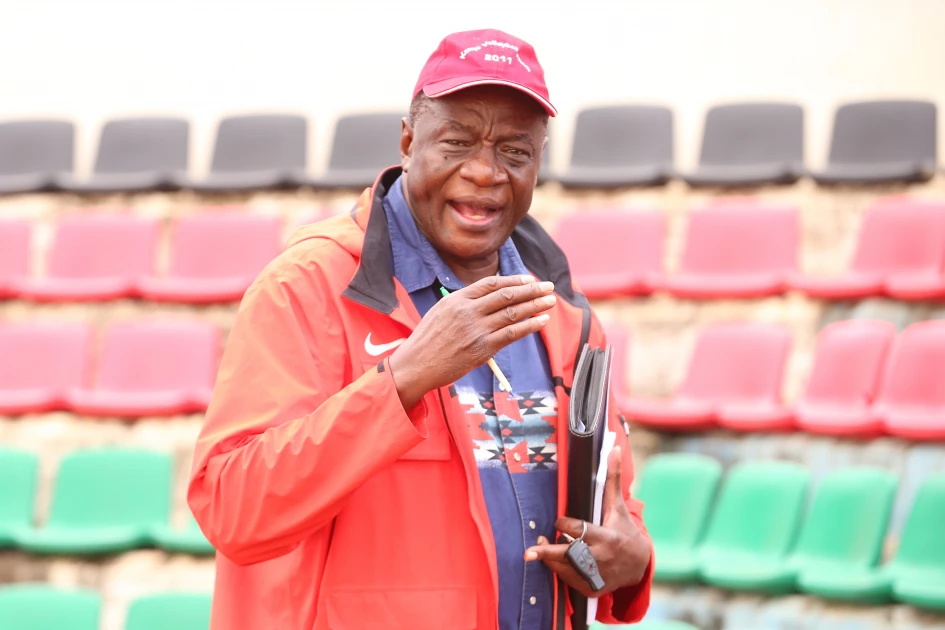
Kenya National Sports Council (KNSC) vice chair Charles Nyaberi alongside Nderitu Gikari (Chairman) were barred from contesting again by SDT on November 24, 2024.

Audio By Vocalize
It has always been my opinion that the SDT has not lived up to expectations. While it was designed to act as a neutral arbiter, most of its rulings end up challenged in civil courts, stay orders are issued, and its authority is watered down. The issue here is finality, or rather, the lack of it. A decision that can easily be overturned or stalled, and that’s the unfortunate state of the SDT today.
Public participation in the review of the Sports Act concluded just last week, and a revised draft is expected soon. This provides a rare opportunity to address long-standing flaws in the tribunal’s structure and powers. A major proposal submitted by the Football Kenya Federation, through their CEO, Harold Ndege, proposing that the SDT should serve as a first-instance body in urgent cases, and not just an appellate body as it currently functions, should be welcomed by many.
Comparing Kenya’s SDT to the Court of Arbitration for Sport (CAS) in Switzerland reveals the stark gap. CAS is internationally recognized under Article 56 of the FIFA Statutes as an independent and impartial body with binding decisions handling a vast assortment of sports disputes, and its rulings carry overall importance. Why can’t we push our tribunal towards that level?
What we currently have is a tribunal limited in jurisdiction, often powerless when real-time action is needed. Cases like the ongoing NOCK elections saga, now postponed for the third time, show how easily the system is abused. Athletes and stakeholders are left in limbo while warring factions file petition after petition, exploiting loopholes in the law in the disguise of “exploring all avenues of justice.”
Former SDT chair John Ohaga, in a past interview, once cited narrow jurisdiction and lack of legal remedies as key hurdles, and I tend to agree with him. Until we expand the SDT’s powers, protect its independence, and give its decisions finality, we will continue to see chaos and delay, all at the expense of athletes and fair competition.
Reforms must go beyond legal lip service. The new Sports Act should empower the SDT to deliver binding and enforceable decisions, similar to those of CAS. Kenyan athletes deserve a dispute system that works, not one that folds under pressure.
Join the Discussion
Share your perspective with the Citizen Digital community.
No comments yet
This discussion is waiting for your voice. Be the first to share your thoughts!