
The financial agony drivers go through during Safari Rally competition

Audio By Vocalize
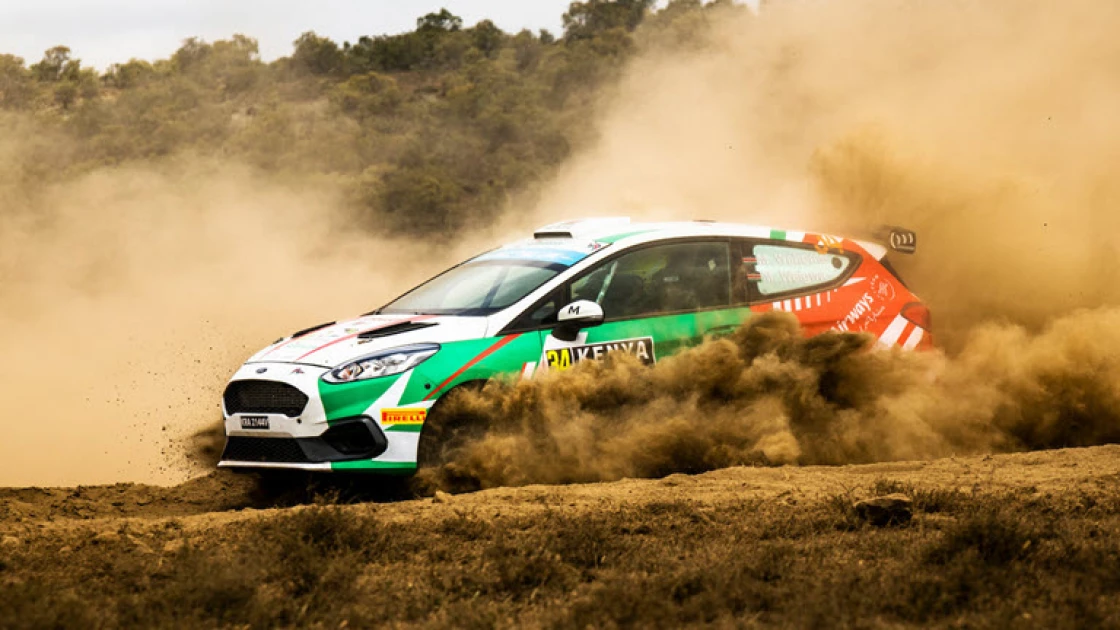
The WRC Safari is regarded as the world’s most daunting rally, where man and machine are tested to the absolute limit as fans enjoy the riveting sounds of the beasts as they tear up gravel in Naivasha’s beautiful savannah.
Behind all the pomp and glamour of the Safari, drivers, however, have to dig way deeper into their pockets to ensure the glittering cars are in pristine condition ahead of the rally. This has left entries in the Safari and also the national rallying championship dwindling every year, especially after the Coronavirus pandemic.
Former Kenya National Rally Championship (KNRC) Division Two champion Issa Amwari who will be giving another shot at the Safari this year notes that a driver has to cough up about five million shillings to make it for the Safari.
“Doing the Safari is very expensive for self-sponsored drivers. Sponsorships have not been forthcoming, especially from the corporate world and that makes it even harder for a local driver. You need approximately four or five million shillings to ensure participation in the Safari rally, and that may even go up depending on various reasons,” assessed Amwari.
This cost may go up when you factor in other activities that happen before the usual three rallying days. For instance, drivers have to start with route checking which may take a day or two, recce is allocated three days, a day of shakedown and the three rallying days make it a week’s racing and these hit the drivers hard in their pockets.
Former KNRC two-wheel drive champion Eric Bengi breaks down the cost implications for local drivers.
“The WRC Safari rally may look like a three-day event, but it’s a long event that affects the cost. During the route checking and recce, you’re not just having the driver and the co-driver only, you have mechanics with you, your staff and other people around you to make things run smoothly.
“Taking care of these people will include daily upkeep and their accommodation for the whole week. Additionally, there are regulations on the type of tyre to use and a standardized fuel to buy from the WRC guys,” said Bengi.
For rally 2 cars, there are international standards for building the car, and they must be met before scrutineering.
These standards require that the cars must have been manufactured in 12 consecutive months and homologated by the FIA in Touring Cars, the fuel tank and cover must be FIA approved.
Other provisions stipulate that all homologated parts should not be modified, and the engine flywheel should be FIA homologated and not modified among others.
It’s these provisions that Mitsubishi Evolution 10 speedster and KCB-sponsored rally driver Evans Kavisi says makes it hard for more entries in such a category.
“Those regulations have never changed, and the only thing they do is add an extra level of expense to the sport. They require cars purposely built for rallies and not something done locally.
There are only a few of them that can qualify under such scrutiny and mine is one of them, so if you look at our car we are under the general classification of the WRC and not the national one. However, we enter both the WRC and the National category,” Kavisi said.
The cost levels are exponentially high and Bengi says this deprives local drivers of taking a shot to compete with the crème de la crème in the rallying world.
“In 2021, it was mandatory that every driver use the FIA-approved tyre which was Pirelli K4. The total cost of buying 20 Pirelli K4 tyres, which is the minimum number of tyres that can get you through the entire event, was about a million shillings, on tyres alone. If you add other modifications that the car will need, the total cost will hit four or five million,” he said.
These regulations have, however, been relaxed for the national classification cars to attract more entries for the local championship.
“On the national side, they have loosened the regulations a bit. For example, now you don’t have to run the FIA-regulated tyres, the Pirellis, you can run other normal tyres that you have. This reduces the expense significantly because the newer ones are very expensive compared to what is allowed on the national scene. Other than that everything else about the event is normally the same whether you're doing the national event or the international one," said Kavisi.
Despite all these financial constraints, it’s the passion for the sport that drives these adrenaline junkies into competing. They will go to the most extreme ends to ensure they compete with the best in the world, and it’s a beast they are willing to feed forever.
Alex Kinyua is a motorsport enthusiast and Citizen Digital's lead beat writer on the sport
Join the Discussion
Share your perspective with the Citizen Digital community.
No comments yet
This discussion is waiting for your voice. Be the first to share your thoughts!