

eBee CEO Ham leaves electric bike start-up to ‘local teams’, returns to Netherlands
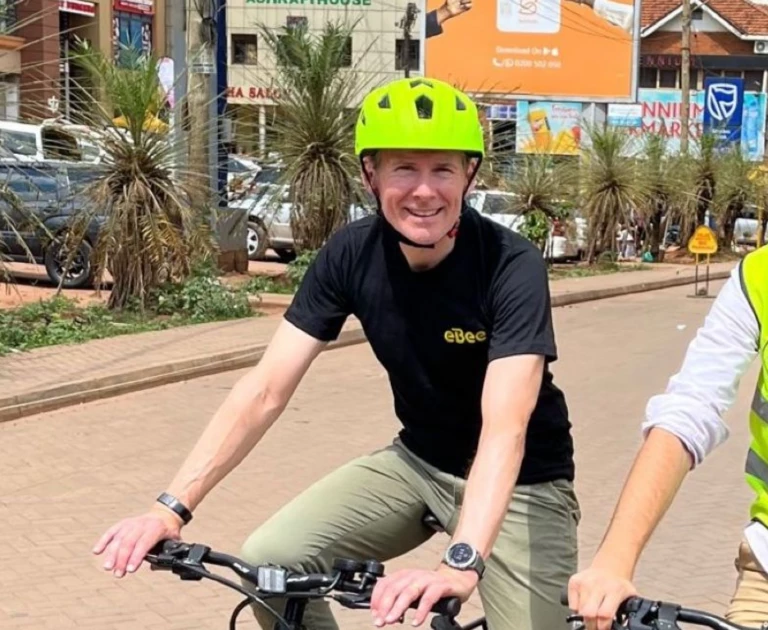
Sten Van Der Ham, co-founder of e-mobility start-up eBee. | PHOTO: Sten Van Der Ham/LinkedIn

Audio By Vocalize
Sten Van Der Ham, the CEO and co-founder of
Kenya-based e-mobility start-up eBee, has announced he is leaving the
electric bicycle company after four years.
Ham co-founded the start-up in late 2021 with Jaap Maljers, Isidoor Maljers and
Joost Boeles.
The company, which has
since expanded to Uganda and Rwanda, sells and rents e-bicycles and operates a
fleet of last-mile delivery riders such as those in food delivery.
Ham began as a member of eBee’s board before
taking up the chief executive role in April 2022. He said he is “leaving the
business in the capable hands of the local teams.”
“It is a goodbye, but not a farewell, as my
love for the continent
and the people I met during the past years will never go away,” he said in a
social media post.
Ham added that he is joining Dutch-based lithium-ion battery developer Nowos as chief commercial officer.
Nowos designed eBee’s bike batteries.
His exit came just a month after eBee lost a tax dispute with the Kenya Revenue Authority (KRA) over the classification
of imported electric bicycles.
The e-mobility start-up faces a higher tax bill after the Tax Appeals Tribunal upheld KRA’s decision to
classify its bikes as fully built units rather than
assembly parts.
Importing bikes in parts for local assembly
qualifies for a lower 10 per cent tax rate under the government’s preferential
tariff code to support manufacturing.
But KRA held that eBee’s shipments included
complete e-bikes (without only the batteries), which included motors integrated
into rear wheel assemblies.
The tax authority said the shipments should
thus attract a 25 per cent import, 16 per cent VAT, and excise duty at $81 per
part (Ksh.10,490 at current exchange rates).
The tribunal further quashed eBee’s argument
that sourcing batteries from local companies qualifies the imports as locally
assembled products. It said the motor defines an electric bike, not the
battery.
KRA initially demanded $53,302 (Ksh.6.9
million) in back taxes from eBee in November 2023. It then reduced it to
$20,857 (Ksh.2.7 million) after the start-up applied for a review.
Leave a Comment