
Beautiful homes, empty dreams: Kenya's urban housing headache

Audio By Vocalize
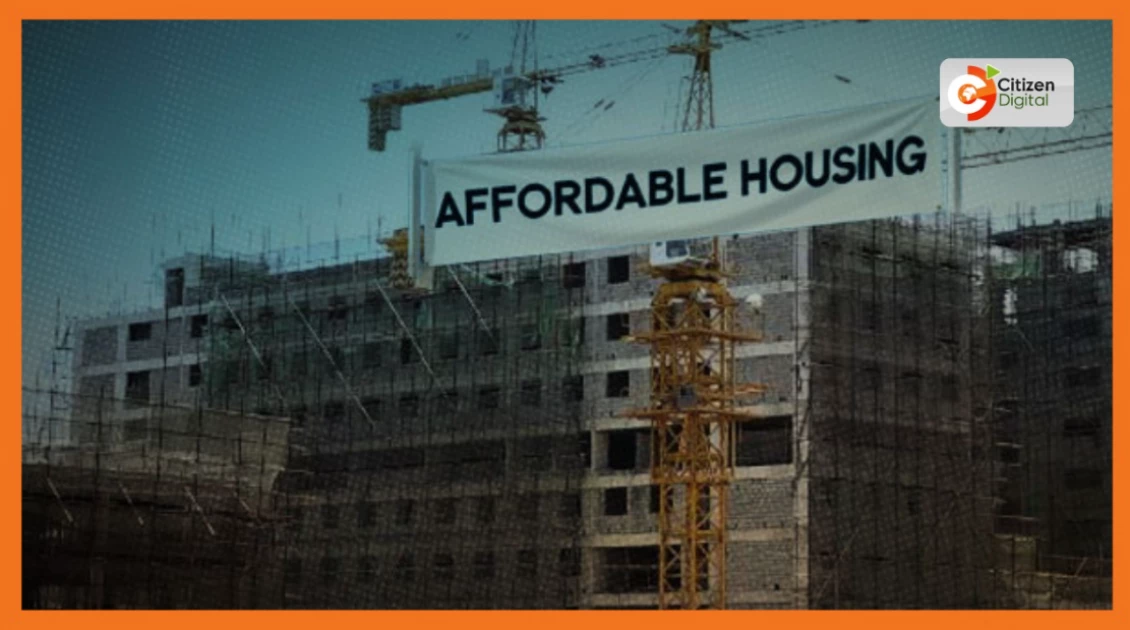
When Kenya’s Affordable Housing Programme was launched, it promised to elevate millions from slums to dignified living spaces.
Yet, a troubling trend has surfaced: many beneficiaries are opting to sell these new homes and return to their previous informal settlements.
Reports highlight that, despite government subsidies and priority allocations, residents from Nairobi's slums are choosing cash over brick-and-mortar stability.
This raises a crucial question: why would anyone trade a brand-new house for a makeshift shelter?
The answer is surprisingly straightforward yet often overlooked: for Kenya’s urban poor, housing isn’t their primary concern.
A survey by Twaweza East Africa’s Sauti za Wananchi (SzW) found that only 4% of Kenyans listed housing as their top priority.
In contrast, 36% highlighted the importance of jobs, 28% focused on healthcare, and 16% prioritized education. In the slums, essentials like food, school fees, and medicine take precedence over homeownership.
Moreover, subsidized housing comes with hidden costs. Beneficiaries still face service charges, utility bills, and potential mortgage payments.
For families subsisting on less than Ksh.300 a day, these financial obligations are burdensome.
According to the 2019 Census by the Kenya National Bureau of Statistics (KNBS), over 56% of Nairobi residents live in informal settlements, where unemployment and inadequate health access dominate their challenges.
Distance also plays a significant role. Many affordable housing units are located far from places of work and trade.
The KNBS 2023 Urban Mobility Survey reveals that 68% of Nairobi’s low-income workers walk to work, and increased distances translate to unaffordable transport expenses.
Additionally, the design of these apartment complexes often hampers informal businesses, such as food vending and tailoring, that are vital for many slum dwellers.
Thus, selling subsidized homes often reflects a rational choice rather than a missed opportunity.
One Mukuru resident articulated this sentiment: “The house is beautiful, but it doesn’t feed my children. In the slum, my customers are nearby.”
The World Cities Report 2022 from UN-Habitat warns that affordable housing initiatives can falter when livelihoods are not prioritized.
Housing cannot be seen as a standalone solution; it needs to be accompanied by access to income, services, and community support.
Twaweza's findings indicate that urban poor citizens would prefer cash transfers or business capital over the burden of debt-laden houses.
Another shortcoming of the program lies in its conception. The controversial 1.5% salary deduction to fund affordable housing led to widespread protests and legal battles, with many Kenyans rejecting the initiative outright.
The lack of public involvement in the program's design has also contributed to its shortcomings. Development programs imposed "for the people" without considering their voices often fail.
Interviews conducted in Mukuru, Mathare, and Kibera reveal a similar sentiment: while ownership is desired, it is not worth the risk of exacerbating daily survival challenges.
As one Mathare resident posed, “If I can’t afford medicine or school fees, what good is a house?”
Research from the World Bank confirms this perspective, underscoring that slum poverty is multifaceted and that inadequate shelter is merely one element of a broader struggle related to jobs, food security, and health.
While the Affordable Housing Programme may have been conceived with good intentions, it has largely overlooked the complexities of life in informal settlements.
Relocation also disrupts the social networks that slum residents depend on for childcare, job referrals, and community support.
Kenya’s housing crisis demands a new strategy. Rather than focusing solely on ownership, the government should prioritize the upgrading of existing slums, enhancing sanitation, infrastructure, healthcare, and education without displacing the communities that live there.
UN-Habitat's Cities Without Slums initiative advocates for such models, allowing residents to improve their circumstances while preserving their communities.
Engagement with citizens must take center stage. By actively listening to the needs, concerns, and aspirations of the urban poor, more effective policies can be developed — policies that are embraced by the very populations they aim to assist.
As highlighted in a World Bank governance brief, “Policies succeed when citizens own them.”
Integrating housing with livelihoods is essential. New developments should be situated close to workplaces, markets, and schools.
A comprehensive approach to urban planning — moving beyond mere mass housing — will empower the poor to live, work, and thrive in supportive communities.
Housing is undeniably vital; it embodies dignity and security. However, dignity equally encompasses food security, education, and access to healthcare.
If the government fails to address the broader challenges faced by slum dwellers, even the most attractive houses will either remain vacant or be sold off.
As one woman from Mathare succinctly stated in a UN-Habitat study, “We need jobs first. Then we can build our own homes with dignity.”
Kenya’s vision for affordable housing is indeed attainable, but it must be firmly grounded in reality, empathy, and the voices of its citizens.
Only then will this dream be built on a foundation that can truly endure.
The author, Dr. James Ciera, is Twaweza Kenya’s country lead and a senior data analyst.
Join the Discussion
Share your perspective with the Citizen Digital community.
No comments yet
This discussion is waiting for your voice. Be the first to share your thoughts!