
Nairobi parents visiting animal orphanage struggle to satisfy children's appetite for adventure
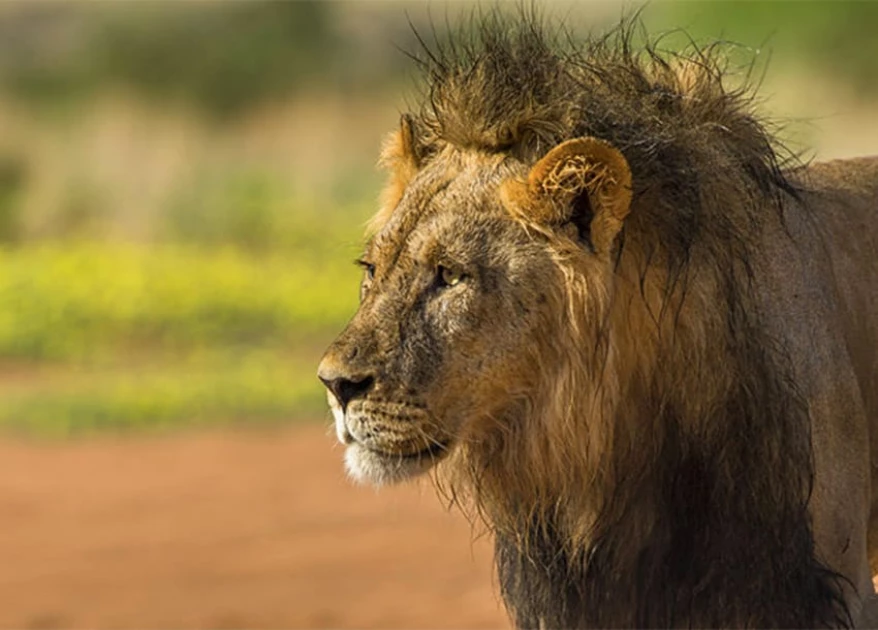
A file photo of a lion.

Audio By Vocalize
Wildlife and tourism are important sources of income for Kenya.
Foreigners and locals alike savour the animals the country has to offer.
For many Kenyan families, a good weekend out for children and parents alike involves visiting the Nairobi Animal Orphanage located in the Nairobi National Park.
However, people who have recently visited the orphanage have complained of there being little for their children to feast their eyes on, what with the few wildlife.
According to the Kenya Wildlife Service (KWS) website, the orphange serves as a treatment and rehabilitation centre for wild animals.
Wangari Munyua, a resident, said visiting the animal orphanage used to be a fun activity to take her children and neighbours for during the weekend,
However, when she last visited, there was not much to show the children.
“The animal orphanage is a great place to help children bring to reality what they watch in cartoons and learn in school. They hear about how lions roar and to see an actual lion within a confined area is exciting for the children,” Munyua said.
However, she expressed disappointment that during her latest visit, there was limited wildlife.
“The children were excited to see a wide range of wildlife in their cages, but we saw little. There was a lion and a lioness here, a cheetah there, and some crowned cranes, but several of the cages were empty and the children wanted to see more animals,” she said.
The animal orphanage is known for having a variety of animals including lions and lionesses, hyenas, monkeys, baboons, buffaloes, and Sokoke cats.
Munyua did acknowledge that the Nairobi Safari Walk area, located on a different side, did have several animals to view.
Some of the animals one can expect to see in the area are: lions, leoapards, pygmy hippos, zebras, colobus monkeys and bongo rhinos.
Another Nairobian complained about the time taken to actually get into the orphanage after the mode of payment moved strictly to Ecitizen.
Michael Muema said, “I had even forgotten my Ecitizen password and I had to start scrambling to reset it with a bunch of enthusiastic and impatient children eager to enter the orphanage. I had to go through so many steps to finally make the payment and there was a snarlup of human traffic because of having to wait for people to pay, confirm the payment with the warden, who went ahead to manually record the details of the payment on a sheet of paper before letting people in.”
Muema was also not impressed by the demand for a convenience fee on the Ecitizen platform.
“It may seem like just Ksh.50 but it added to my bill,” he said.
Every service on the Ecitizen platform attracts a convenience fee of Ksh.50 for payments to be processed.
And then there
She adds that the process of admission has taken longer ever since the park migrated to payments using Ecitizen.
The reason for this sudden decrease in the number of animals is still not clear. However, it could have been caused by climate change and the difference in climate in the different areas. However, what could also be causing this sudden decline is the movement of animals from the orphanages into the wild. This is a result of growing old enough to be able to move out, especially for the animals that were brought into the orphanage when they were too young to fend for themselves.
Join the Discussion
Share your perspective with the Citizen Digital community.
No comments yet
This discussion is waiting for your voice. Be the first to share your thoughts!