

Nataka tu Mtoto! When no one wants to settle down
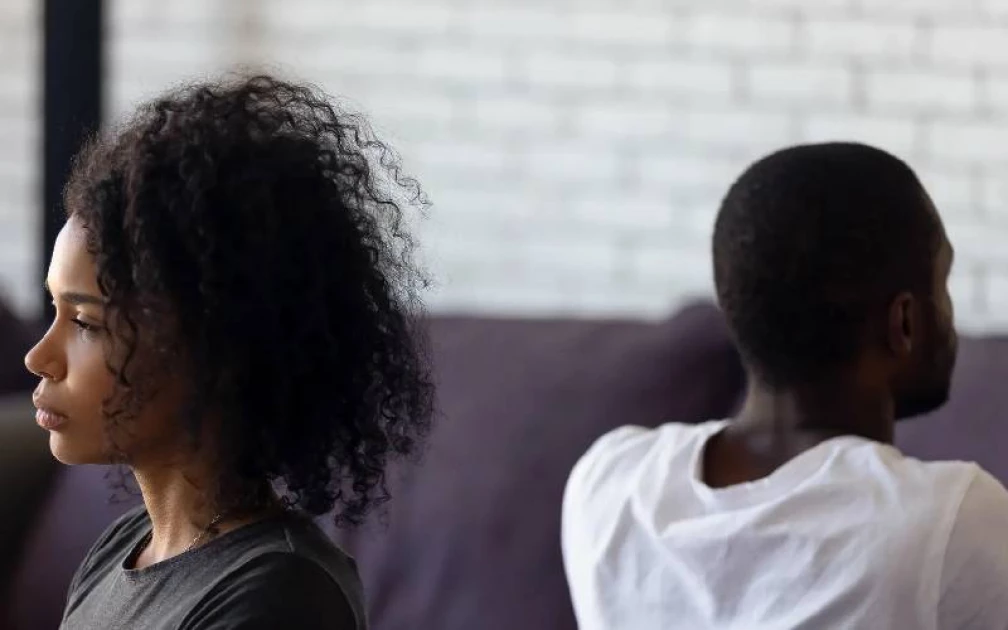
Photo/Courtesy

Audio By Vocalize
Anne Nyambura* is 37 years old – and is expectant. She lives alone – and has no intention of settling down with the father of her unborn child as husband and wife.
According to Nyambura – she just needed a child – and not a man as she can take very good care of herself financially.
“I told my boyfriend that I just needed his child, and he accepted, although he initially though that I was setting him up for child upkeep,” said Nyambura.
Nyambura says she is ready to take care of the child, and that does not necessarily mean locking the man out of the child’s life.
“He is still the father, but he is not my husband, neither is he obligated to provide for the child,” says Nyambura who has a stable and well-paying job in hospitality sector.
Others like Viviane, a 35-year-old economist, is still combing the streets in search of a man with a ‘good pedigree’ to father her child.
“I am under extreme pressure to get a husband and eventually a child. The pressure from my parents, especially my ageing mother, is stressing me up. I no longer go back to the village to visit them because they keep bringing up the topic,” she says.
Viviane says she walked out of her first marriage after just three months.
“I realised that the man was a drunkard, a batterer and a womanizer. I couldn’t take it and so I walked out,” says Viviane who has no plans of settling down with a man -- again.
She said: “Some men come into your life only to cheat on you, beat you up like a drum and deny you peace.
“As a woman, I want to leave and be happy. I don't’ want to be a wife doing wife duties for an ungrateful man,” said Viviane – adding that she needs a child to fulfil her purpose of living, and nothing else.
Janet*, a mother of a 10-year-old girl, thinks that marriage can be torturous if you don’t get the right partner.
“I want to hang out with the girls without someone breathing down my neck. Live your life and I will live mine. I don’t want stress,” says Janet who co-parents with her ex-boyfriend.
What about conjugal needs?
According to Viviane, she always has ‘someone’ on speed dial; someone she can turn to, someone who can ‘lighten her burdens’.
“That is never problem, and most women will tell you that there is always someone, even some married women I know always have ‘someone’ they can ‘talk’ to,” says Viviane – adding that one should never ‘burn bridges’ just because you have a boyfriend, or is settling down in marriage.
According to a past research conducted in Nairobi by the African Population Health Research Centre (APHRC), University of Wisconsin-Madison and University of Michigan and Population Council-Kenya, and which appeared in the Journal of Marriage and Family, about 87 per cent of men and 72 per cent of women aged 25 to 34 in Kenya are in informal unions – with only about 1.4 per cent being formalised annually.
Many are blaming modernization, urbanization and industrialization for the change in the family and marriage structure.
According to research, one of the factors that contribute to instability in relationships and marriage in the Most Developed Countries (MDC’s) and in most urban areas has been the increasing social acceptance of separation and divorce.
This has resulted from relaxation of negative attitudes towards separation and divorce by members of different communities.
According to George Anyango – an elder in the Luo community – most modern relationships are not anchored on proper values.
“Most relationships today are anchored on infatuations and not real love. Once these infatuations run their course, the reality usually hits home,” says Anyango.
He adds: “In the past, people were not just waking up and getting married. There existed a structure and a support system supported by aunts, old women and elderly men. These structures played an important role in shaping up marriages.”
“In the absence of these support systems, a marriage is likely to collapse when faced with challenges.”
On whether education and enlightenment of women has contributed to the current state of affairs – Anyango had this to say.
“In the villages today, we have marriages where women have taken a leading role, and are taking care of their families even as their men lazy about.
“Some of these women when overwhelmed, will turn to existing structures; like bringing their concerns to elders in the family to try and address the matter. These value systems don’t just exist in the modern setting where two strangers meet today, and separate the next day, quietly,” he says.
He, however, notes that most men today have failed to take responsibility as fathers and husbands, which is why empowered women could be tempted to step out of their unions – and face life alone.
Leave a Comment