

The abandoned cattle dips of Bungoma county
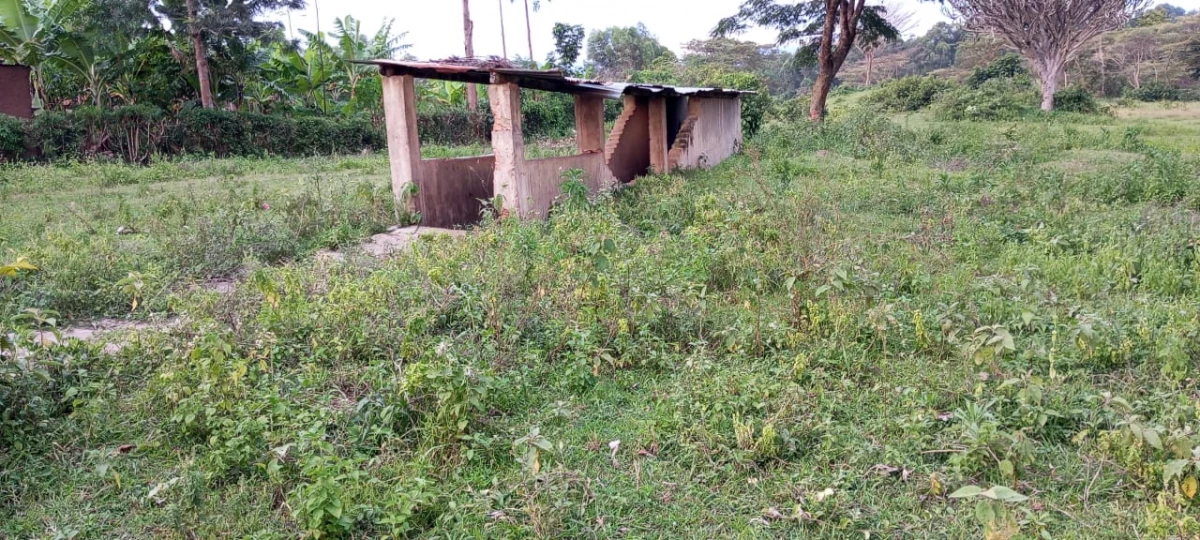
Abandoned cattle dip in Bungoma. /KENNETH WAFULA

Audio By Vocalize
In Bungoma County, cattle dips once played a vital role in the agricultural livelihood of many farmers, serving as a critical tool for disease prevention among livestock.
Cattle dips were used to protect animals from ticks and tick-borne diseases, such as East Coast fever, which can decimate herds.
For many years, these dips were not only essential for the health of livestock but also for the prosperity of the farmers, as healthier cattle meant better milk production, stronger animals for farming, and a sustainable source of income.
However, over time, many of these cattle dips have been neglected and forgotten.
The lack of proper maintenance, irregular supply of chemicals, and changing agricultural practices have rendered most of
them non-operational.
As a result, farmers in Bungoma, and many parts of rural Kenya, have been left without this important tool, leading to increased cases of livestock diseases.
This has had devastating effects on the local economy, as many small-scale farmers rely heavily on their livestock for both subsistence and market sales.
The revival of these cattle dips is crucial for the future of farming in Bungoma County.
The government needs to prioritize the rehabilitation of these facilities by investing in infrastructure repairs, ensuring a consistent supply of acaricides (tick-control chemicals), and training farmers on the importance and usage of cattle dips.
Reviving these dips would also reduce farmers' reliance on expensive private veterinary services, making disease prevention more accessible and affordable.
Additionally, empowering farmers through education on modern livestock management practices can help ensure that once the cattle dips are revived, they are properly utilized and maintained.
Local leaders, agricultural extension officers, and farmer cooperatives should collaborate to create awareness of the long-term benefits of cattle dips and offer support to ensure they remain functional.
REVIVING BUNGOMA'S CATTLE DIPS: A Forgotten Lifeline for Farmers
In the heart of Malakisi location, Bungoma County, lies Bukokholo cattle dip—a once-thriving center for local farmers.
For years, Bukokholo was a lifeline, helping livestock stay healthy by preventing the spread of ticks and tick-borne diseases, such as East Coast fever. Farmers would bring their cattle to the dip, ensuring that their herds were safe from these deadly parasites.
In return, healthier cattle meant better milk production, stronger animals for farming, and a steady income for local households.
However, Bukokholo, like many other cattle dips across Bungoma and rural Kenya, has fallen into disrepair.
The once-busy cattle dip now stands abandoned, a shadow of its former self.
The neglect is due to several factors: poor maintenance, an irregular supply of acaricides (chemicals used to control ticks), and shifting agricultural practices.
As a result, farmers have been left without a vital tool for disease prevention, leading to an alarming increase in livestock diseases.
This breakdown has hit the local economy hard.
Many small-scale farmers in Bungoma rely on their livestock not only for their daily needs but also for selling milk, meat, or healthy animals in the market.
As cases of livestock diseases rise, these farmers are losing income, and the ripple effects are felt throughout the community.
Reviving Bukokholo cattle dip, along with other neglected dips, is critical for the future of farming in Bungoma County. The government needs to step in and invest in the rehabilitation of these facilities.
This would include fixing the infrastructure, ensuring a consistent supply of acaricides, and training farmers on the proper use of the dips.
Doing so would help small-scale farmers reduce their dependence on costly private veterinary services, making disease prevention more affordable and accessible.
Moreover, educating farmers on modern livestock management practices would ensure that once cattle dips like Bukokholo are revived, they are well-maintained and effectively utilized.
By working together, local leaders, agricultural extension officers, and farmer cooperatives can spread awareness about the long-term benefits of cattle dips.
This collaboration would offer much-needed support to keep the dips operational and serve as a reminder of their importance to farming success.
The revival of Bukokholo cattle dip represents more than just a solution to a farming problem; it’s a step toward securing the livelihoods of thousands of small-scale farmers in Bungoma.
By making cattle dips functional again, the government would not only help protect livestock but also breathe new life into the local economy.
The time to act is now, before more farmers suffer the consequences of a broken system.
Leave a Comment