

Wananchi Opinion: Why most teachers are struggling financially

Audio By Vocalize
At 5:00 a.m. the alarm shrieks, jolting me from a brief, restless sleep.
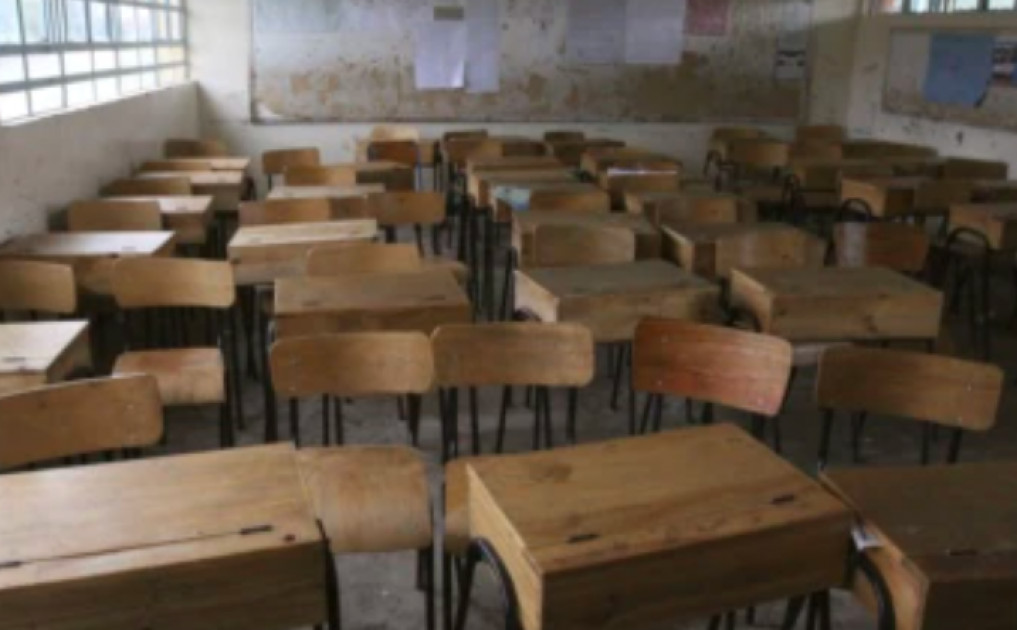
By 6:30 a.m. I am standing in front of forty‑eight Form 3 students, chalk in hand, coaxing quadratic equations onto a battered blackboard whose paint flaked off long before my teaching career began.
From the outside, the job looks respectable: crisp shirts, neat lesson plans, and a determination to help “build the nation”. Yet every month I stare at my bank account balance and feel the familiar knot tighten in the base of my stomach. I am a Kenyan secondary‑school teacher, and I am broke, almost all the time.
Our financial distress as teachers starts with the obvious culprit: remuneration. The Teachers Service Commission pay structure is rigid and opaque.
A graduate teacher in Job Group C2 earns a basic salary hovering around KSh 36,000. After statutory deductions—PAYE, SHA, NSSF—and the sacrosanct loan repayment to the teachers’ SACCO I joined in desperate pursuit of home‑ownership, my take‑home shrinks to roughly KSh 25,000. Nairobi rent devours half of that, matatu fare and mandatory school lunches chew another quarter, and the remainder must stretch thinly across utility bills, groceries, relatives’ medical emergencies, and an ever‑growing list of “contributions” for weddings, funerals, and harambees. Saving feels like a luxury for a parallel universe.
But low pay is only the first layer of the onion; peel it back and you meet systemic inflation. Over the past decade, consumer prices have risen faster than our incremental salary adjustments. A five-litre cooking oil that cost about KSh 600 in 2015 now sells near 1,500.
Electricity tariffs keep climbing with the shilling’s slide against the dollar. Each term our students arrive clutching new sets of stationery priced beyond their parents’ budgets, and we watch them ration exercise books the way we ration our own cooking gas.
Teachers, too, are consumers in this economy; every price shock shrinks the purchasing power of our already modest wages.
A third pressure point is the hidden curriculum of moonlighting. Because the paycheck cannot cover life’s basics, many teachers scramble for after‑school gigs: private tuition, boda‑boda rides, farming projects up‑country, even online freelancing.
These side hustles supply a survival buffer, yet they exact a toll in time and energy. I mark essays on the bus ride home, draft lesson notes at midnight, and spend Saturdays teaching “holiday classes” for students whose parents can still afford them.
The exhaustion is cumulative. It bleeds into classroom performance and erodes the very educational quality we are hired to protect.
In a cruel twist, the hustle culture intended to patch financial holes ends up widening them through burnout‑induced medical bills and diminished professional growth.
Debt is the fourth strand in our web. SACCOS and micro‑finance institutions court teachers aggressively because our salaries are considered “secure.”
Within months of my first posting, I signed papers for a development loan “to invest.” The repayment period outlived the dairy goats I bought, and the compound interest outpaced my salary increments.
Colleagues cycle through digital‑lending apps that advance KSh 5,000 at 15 percent interest, payable in 30 days.
Default means shame in the staffroom when collection agents call mid‑lesson and your pupils hear you beg for one more week.
Debt’s quick fixes merely mortgage the next pay‑cheque, forging a loop that is hard to escape.
Social expectations deliver the final blow. A teacher in Kenya is more than an instructor; we are community leaders, perceived to possess wisdom and, ironically, wealth.
At home I am expected to help pay younger siblings’ university fees; at church I am solicited for every building fund.
Saying “I cannot afford it” feels incongruent with the esteem attached to my profession, so I acquiesce—often by taking yet another loan. Cultural obligation, like gravity, is invisible but relentless.
Where, then, lies hope? Part of it rests with policy: meaningful renegotiation of salary scales tied to inflation, timely promotions, and housing allowances adjusted to real market rates would provide immediate relief.
Equally crucial is financial literacy—not the commonly organised cosmetic workshops, but honest, practical training on budgeting, prudent borrowing, and small‑scale investing. Schools could partner with reputable SACCOS to reward saving rather than impulsive credit.
Most important, however, is a societal reckoning with the value of educators. Kenya’s Vision 2030 aspires to a knowledge‑based economy, yet knowledge workers remain undervalued.
When teachers do not worry daily about fare to work, they can channel creativity into pedagogy, mentor learners, and research new methodologies. Fair compensation is not charity; it is an investment in national development.
Until that shift happens, we soldier on—brandishing red pens by day and mobile‑phone calculators by night, praying the numbers will finally add up.
They rarely do. And so, behind the confident voice that explains parabolic graphs is a quieter confession: I am shaping the future, yes—but I cannot afford my present.
Mr. Abol Kings is a Senior High School teacher in Kenya
Leave a Comment