

Can Kenya bury tribalism for good?
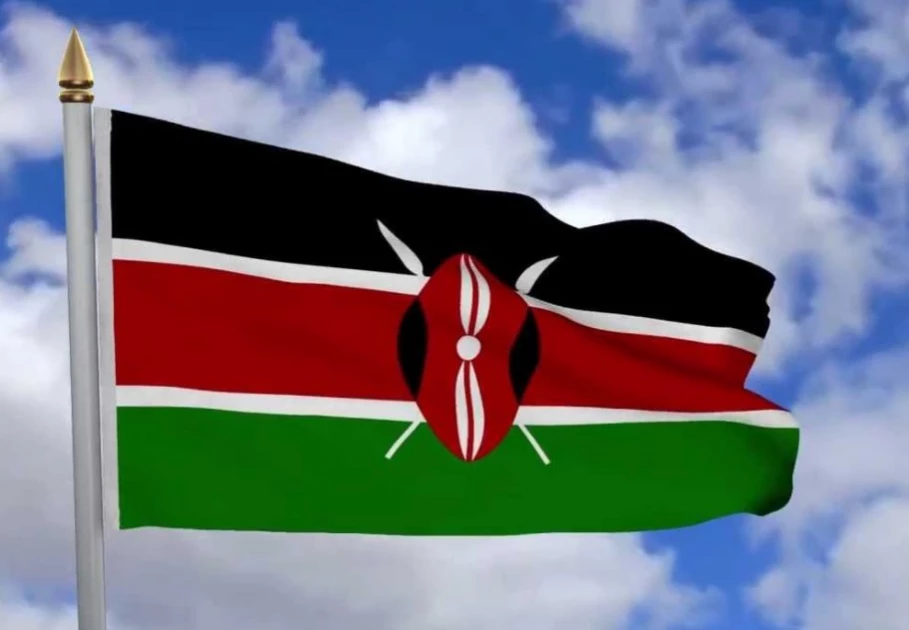
A Kenyan Flag.

Audio By Vocalize
By Sebastian Karani Asava
In Kenya today, tribalism is like a silent cancer — it eats us from within, rotting our unity, clouding our judgments, and staining our collective future. Every five years, as election drums start beating, it resurfaces more boldly. Suddenly, politicians remember their “people,” elders are called to endorse “sons of the soil,” and communities are manipulated into thinking that power belongs to one surname or another.
Yet, as the 2024 Gen Z revolt showed us, when Kenyans come together without tribal banners, they are powerful beyond measure. That movement taught us that unity anchored in shared ideals, not shared dialects, can shake the highest offices and force real change.
Tribal politics is not just dangerous; it is an insult to our potential. It reduces citizens to voting blocks, job applicants to last names, and regions to political bargaining chips. It tells a young girl in Turkana that she can never dream of being president, or a boy from Kwale that top state appointments are not for “his people.” It turns our diverse, vibrant nation into small, suspicious enclaves constantly measuring one another’s worth based on ancestry instead of merit.
This poison spreads beyond politics. In boardrooms, public service recruitment, tenders, bursaries, and even church leadership, tribal lines silently shape who gets opportunities and who is left behind. How many brilliant young Kenyans have had their hopes shattered after someone checked their “second name” before considering their qualifications? How many communities remain underdeveloped because a region "did not vote properly" in the last election?
We must confront the reality that no tribe is better than another. No tribe is born to rule, and no tribe is cursed to be perpetual outsiders. Kenya is big enough for all of us — Kikuyu, Luhya, Luo, Kalenjin, Maasai, Somali, Meru, Kamba, and every other community.
We must stop acting as if the presidency, governorship, or cabinet slots belong to specific tribes. Leadership must belong to those with vision, integrity, and a track record of service, regardless of their second language or ancestry. The best leader for Kenya could come from any corner — from the shores of Lake Victoria to the plains of Garissa.
For our politicians who have perfected tribal incitement, it is time to change the script. We can no longer allow leaders to divide us along tribal lines simply to secure a few votes or defend their selfish interests. Instead of rallying around tribal “kingpins,” let us rally around ideas. Let us demand clear agendas on health, education, youth empowerment, agriculture, and climate change — not which village someone’s grandmother was born in.
For our professionals in HR offices, county governments, and state corporations — stop asking for second names and start asking for competencies. When we hire based on tribe, we rob Kenya of its best minds. When we allocate bursaries and development projects based on surnames, we entrench inequality and resentment.
As citizens, we must also examine ourselves. Are we ready to support a candidate from another community if they represent our interests better? Are we ready to reject handouts and empty tribal slogans? Are we ready to correct friends and family when they promote stereotypes at dinner tables or WhatsApp groups?
The biggest lesson from Gen Z in 2024 is that a tribeless society is not only possible — it is more powerful, more innovative, and more successful. In that moment, we saw Kenyans standing together under one banner: the banner of accountability, justice, fairness, and a shared dream for a better nation. It is that spirit we must nurture, not just during protests but every day.
Let us not wait for another tragedy to unite us. Let us not wait for another election cycle to remember that tribalism kills — not just physically, but it kills dreams, stunts growth, and steals our future.
Our tribe is one: Kenyan. And if we truly believe in a prosperous Kenya, we must bury tribalism once and for all — in our politics, in our offices, in our schools, and in our hearts.
Leave a Comment