

Haiti capital 'systematically' terrorised by sexual violence: MSF
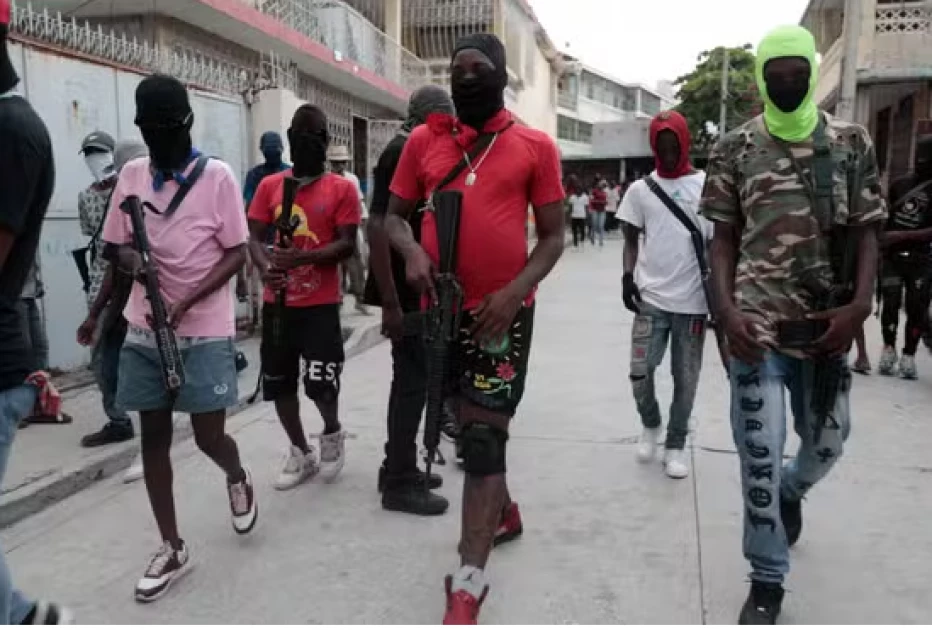
Armed members of "G9 and Family" march in a protest against Haitian Prime Minister Ariel Henry in Port-au-Prince, Haiti, Tuesday, September 19, 2023. ODELYN JOSEPH / AP

Audio By Vocalize
Haiti is the poorest country in the Western hemisphere, with swathes of the country under the control of rival armed gangs who carry out murders, rapes and kidnappings.
"Sexual and gender-based violence has surged in Haiti's capital since 2021, and is being used systematically to terrorise the population," Doctors Without Borders, which goes by its French initials MSF, warned as it published a fresh report based on 10 years of data and testimonies from its clinic in Port-au-Prince.
MSF said its Pran Men'm clinic had "borne witness to the impact of Haiti's descent into violence and of its hollowed-out health, security, and judicial mechanisms on the bodies of women and girls".
The clinic had over the past decade treated nearly 17,000 survivors of sexual violence -- 98 percent of whom were women and girls -- including 2,300 in just the first nine months of 2025.
Nearly one-fifth of the survivors treated at the clinic had suffered multiple instances of sexual violence.
"The number of survivors of sexual and gender-based violence who receive care at the clinic has almost tripled from an average of 95 admissions per month in 2021 to more than 250 in 2025," MSF head of mission in Haiti Diana Manilla Arroyo pointed out in a statement.
- 'Brutality' -
MSF highlighted a "shocking increase in the brutality of the violence" it was seeing.
Fifty-seven percent of survivors who have received care at Pran Men'm since 2022 reported being assaulted by members of armed groups, and often by multiple perpetrators, it said.
MSF said that over 100 patients reported being assaulted by 10 or more perpetrators at a time.
"They beat me and broke my teeth," one 53-year-old survivor was quoted as saying in the report.
"Three young men who could have been my children ... After raping me, they raped my daughter ... and beat my husband."
The report warned of persistent shortcomings in survivors' access to services amid lacking funding for protection services.
Other barriers, including financial difficulties and insecurity, also prevent survivors from swiftly accessing care, it said.
This can have dire medical consequences, it warned, pointing out that only a third of survivors treated at its clinic since 2022 arrived there within three days of their assault, beyond which time it is no longer possible to prevent HIV transmission.
MSF called for more funding and for the "unequivocal recognition of the widespread nature of sexual violence and its deliberate use by armed groups as a tool to control and subjugate women and girls".
Leave a Comment