
KRA attributes Humphrey Wattanga’s exit to failure to meet revenue targets
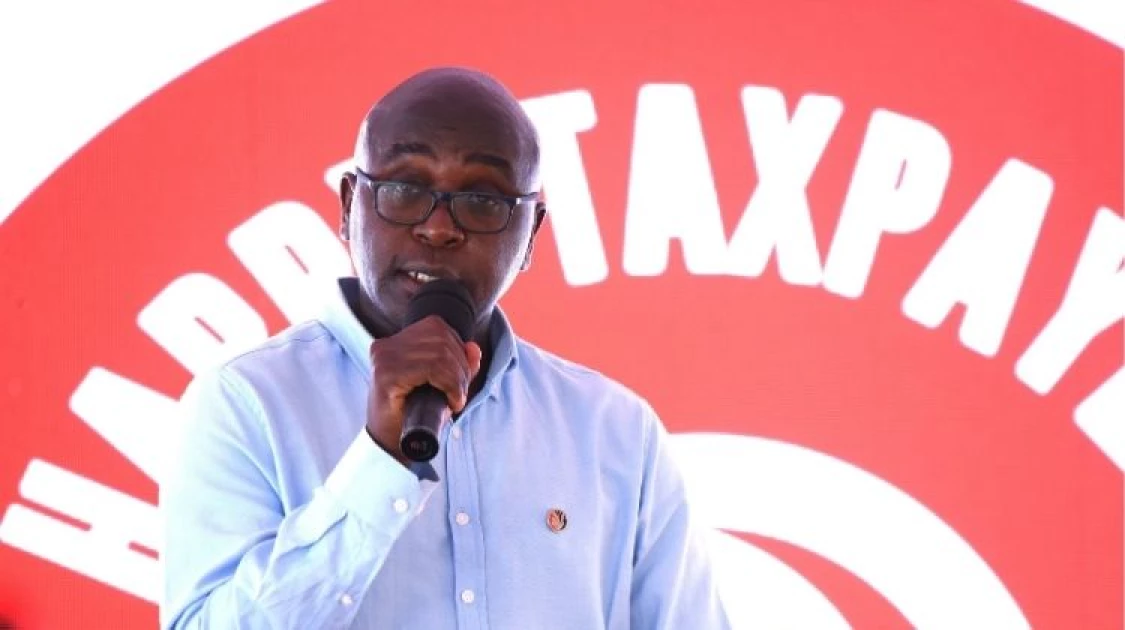
Humphrey Wattanga, former Commissioner General, Kenya Revenue Authority, speaks during taxpayer's day on October 2, 2023. Photo/KRA

Audio By Vocalize
The move comes months before the end of Wattanga’s term, with the KRA board immediately initiating the search for his successor.
The search for a new Kenya Revenue Authority Commissioner General is now underway, following the board’s announcement that it will not extend Humphrey Wattanga’s tenure.
According to KRA Board Chairperson Nderitu Muriithi, the board was dissatisfied with persistent criticism over missed revenue targets, which raised questions about the leadership of the tax body.
“Overall KRA performance needs to improve. I have told you the back stops with the CEO and the board is responsible for the performance of the CEO,” said KRA Board Chairperson Nderitu Muriithi.
When asked whether the decision was linked to revenue underperformance, he added, “You can take that, yes, of course.”
The board chair further confirmed that Wattanga will proceed on terminal leave as part of a structured transition.
“Yes, I am telling you the recruitment process has already begun,” he said.
Meanwhile, KRA says the country’s tax burden continues to be carried by a small segment of taxpayers, particularly large and medium-sized firms that account for a significant share of revenue, alongside salaried workers in formal employment.
The authority notes that more than 19 million Kenyans in the informal sector remain largely outside the tax net.
Commissioner for Small and Medium Enterprises at KRA George Obell said most informal businesses are not contributing to the tax base, despite their large numbers.
“The budget of the businesses that are informal, those businesses that people are opening by themselves and are running their own businesses, the majority of them are not contributing to tax. And if you look at the actual number, our tax to GDP rate is at 14 percent. We should be at about 16, 17 percent right now,” he stated.
KRA stated that it will continue to broaden its tax base and strengthen revenue collection through digitisation and improved tax administration amid a challenging economic environment.
Join the Discussion
Share your perspective with the Citizen Digital community.
No comments yet
This discussion is waiting for your voice. Be the first to share your thoughts!