

Malnutrition killed over 100,000 children below five years in 2024: Report
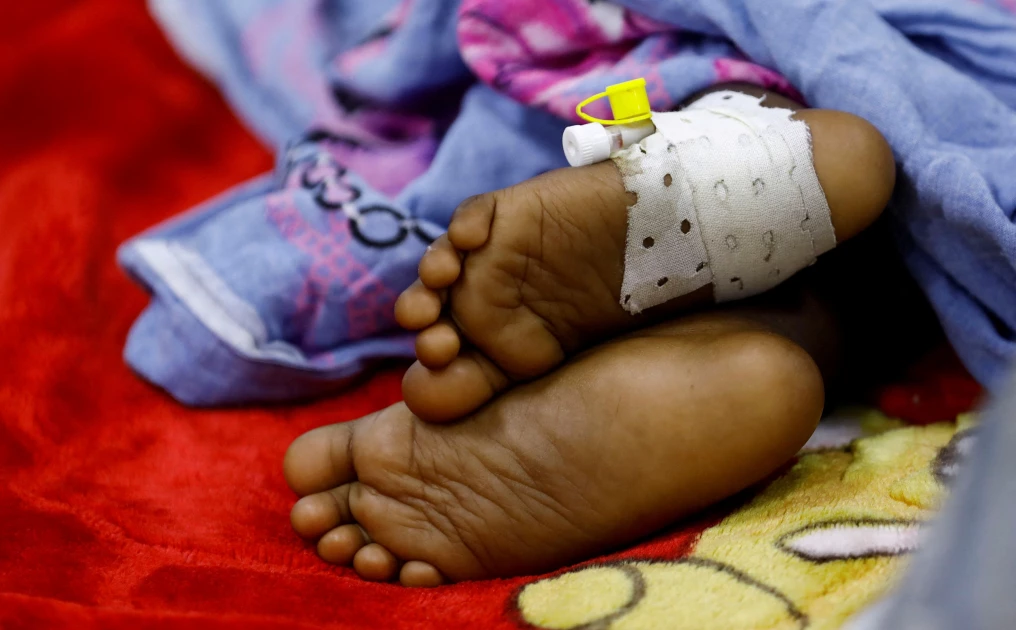
A child suffering from diphtheria rests inside a ward at De Martino Public Hospital, following a diphtheria outbreak, in Mogadishu, Somalia August 13, 2025. REUTERS/Feisal Omar/File Photo

Audio By Vocalize
According to a statement released by UNICEF and World Health Organization on March 18, 2026, about 4.9 million children died before their fifth birthday in 2024. Of these, 2.3 million were newborns, highlighting the persistent risks surrounding childbirth and the first days of life.
While child mortality has dropped by more than half since 2000, the report shows that progress has slowed significantly since 2015, raising concerns among global health experts.
The report reveals that severe acute malnutrition directly caused more than 100,000 deaths among children aged between one month and five years in 2024.
Health experts warn the real toll is likely much higher, as malnutrition often weakens immunity and increases vulnerability to diseases such as pneumonia and diarrhoea.
Newborn deaths remain particularly alarming, accounting for nearly half of all under-five fatalities. Complications from premature birth and difficulties during labour are among the leading causes.
Beyond infancy, infectious diseases continue to claim young lives. Malaria alone accounts for 17 per cent of deaths among children aged one month to five years, with the burden falling heavily on sub-Saharan Africa.
The region recorded the highest share of child deaths globally, accounting for 58 per cent of all under-five fatalities. Countries affected by conflict and fragile health systems are among the hardest hit, where access to basic healthcare remains limited.
“No child should die from diseases that we know how to prevent. But we see worrying signs that progress in child survival is slowing and at a time where we’re seeing further global budget cuts," said Catherine Russell, UNICEF Executive Director.
Behind the numbers are stories of families grappling with loss that could have been avoided. Many of the deaths are linked to conditions that are inexpensive and straightforward to treat, including infections, malnutrition and complications during birth.
“The world has made remarkable progress in saving children’s lives, but many still die from preventable causes. Children living amid conflict and crisis are nearly three times more likely to die before their fifth birthday," said Tedros Adhanom Ghebreyesus.
In South Asia, which accounted for a quarter of global child deaths, most fatalities are linked to complications during the first month of life. Experts say this underscores the need for improved antenatal care, skilled birth attendance and better newborn services.
The report also paints a broader picture of risks facing young people. An estimated 2.1 million individuals aged between five and 24 years died in 2024, with causes ranging from infectious diseases to injuries. Among teenagers, self-harm and road traffic accidents emerged as leading causes of death.
Health experts warn that declining global funding could further slow progress, placing essential maternal and child health programmes under strain.
“These findings are a collective call to speed up implementation of the proven solutions we know are within reach. Investments in primary healthcare remain key to saving lives," said Monique Vledder.
Despite the challenges, experts insist that solutions are well known and highly effective. Vaccination, proper nutrition, and access to skilled healthcare workers at birth are among the most impactful interventions.
“Many deaths among children under five are avoidable.The science is clear: targeted investments in health care and nutrition can save millions of lives," said Li Liu.
As governments and development partners push to meet global targets, the message from the report is clear progress is possible, but only if urgency, funding and political will are sustained.
For millions of children around the world, that commitment could mean the difference between life and death.
Leave a Comment