
Plastic bags sneak back to markets as ban silently loses its bite

Audio By Vocalize
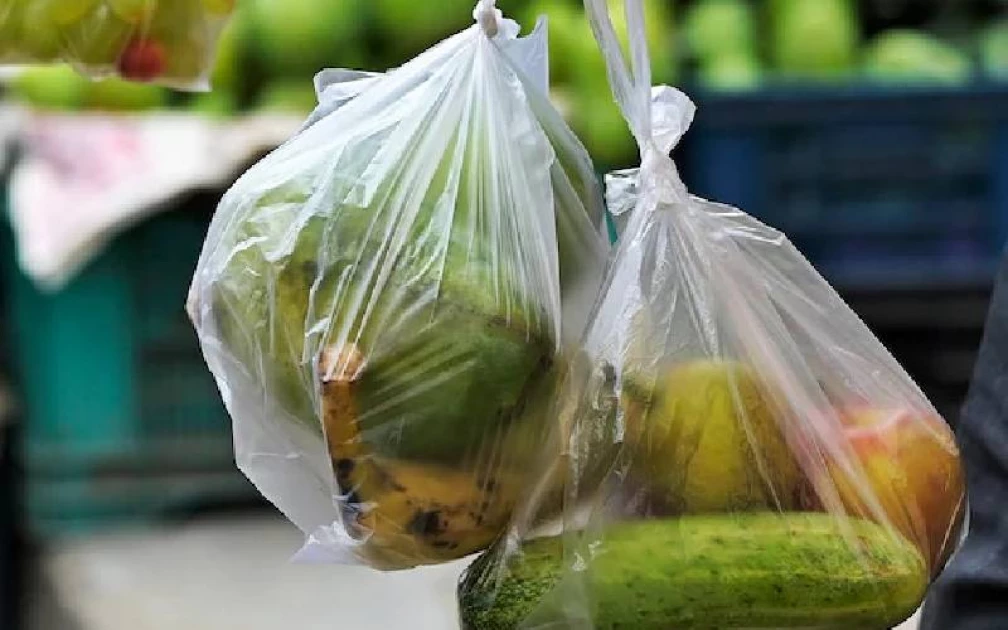
Seven years after Kenya outlawed single-use plastic bags, the banned carriers are quietly creeping back into markets and shops across the country.
Traders blame high costs and lack of alternatives, while enforcement authorities struggle to keep up.
At Kangemi market in Nairobi, traders openly pack Sukuma wiki in the familiar thin plastic bags that were once a symbol of Kenya’s pollution problem.
On a busy weekday afternoon, it’s hard to spot a stall using the recommended biodegradable or woven packaging.
“Hii plastic bag ndiyo wateja wanataka juu ni rahisi kubeba,” says Mary, a trader arranging vegetables under her umbrella shade.
Across several towns from Kakamega and Kisumu to Nairobi’s Gikomba and Muthurwa, the banned plastics are back in circulation.
Some vendors say the return began quietly about two years ago and has since grown into open defiance.
“Zinakuja kutoka Uganda ama Tanzania. Watu wanataka biashara iendelee, hatuwezi kosa kutoa huduma,” says a wholesaler who admits sourcing the bags through cross-border suppliers.
Kenya banned single-use plastic bags in 2017 under regulations enforced by the National Environment Management Authority (NEMA). The ban made global headlines and earned Kenya praise for taking one of the toughest stances on plastic waste in Africa.
In the early years, enforcement was strict. Arrests were frequent, and markets were routinely inspected. But today, that momentum has slowed.
“We still conduct spot checks, but resources are limited,” says a county environment officer in western Kenya. “Sometimes, after we confiscate the plastics, traders go back to selling them after a few days. There’s little follow-up.”
Environmental experts say the lack of coordination between national and county governments has weakened the ban. Counties were expected to handle on-ground enforcement, but many lack staff and funds to sustain inspections.
For many traders, the return to plastic is less about defiance and more about survival. Alternatives such as biodegradable packaging or non-woven carrier bags cost nearly double.
“A roll of good paper bags is expensive. If I use those, I have to increase prices and customers will just go to the next stall,” explains a grocery seller in Muthurwa market.
Market customers, too, admit they prefer the light, waterproof bags.
“Paper bags are okay, but when it rains everything gets wet. I still carry my own plastic bags from home,” says one shopper.
Environmental groups warn that the slow return of plastics is already visible. Rivers, drainage systems, and dumpsites are filling up with the same lightweight bags that once choked Nairobi’s waterways.
“You can see plastics everywhere again in trenches, markets, and roadsides. We’re reversing years of progress,” says an activist from a local NGO. “It took years to get rid of them, only to see them return.”
Data from a 2024 NEMA survey showed an increase in single-use plastics found in urban drainage systems by nearly 40 percent compared to 2020.
Despite the grim picture, some youth groups are finding opportunity in the crisis. Across Kisumu, Eldoret, and Nairobi, small recyclers are turning collected plastic waste into paving blocks, flower pots, and art pieces.
“If we collected and recycled these plastics, it wouldn’t choke the environment,” says 25-year-old Brian, a youth recycler from Kisumu’s Nyalenda area. “We can turn waste into something useful but we need support.”
NEMA maintains that the ban still stands and that offenders can face fines of up to two million shillings or jail time. But on the ground, few cases reach prosecution.
As plastic bags quietly return to daily life, Kenya’s environmental victory risks slipping away unless fresh action is taken to revive the once-celebrated ban and restore accountability across markets.
Join the Discussion
Share your perspective with the Citizen Digital community.
No comments yet
This discussion is waiting for your voice. Be the first to share your thoughts!