
Ruto: Five new luxury hotels to be built within Tsavo West Rhino Sanctuary
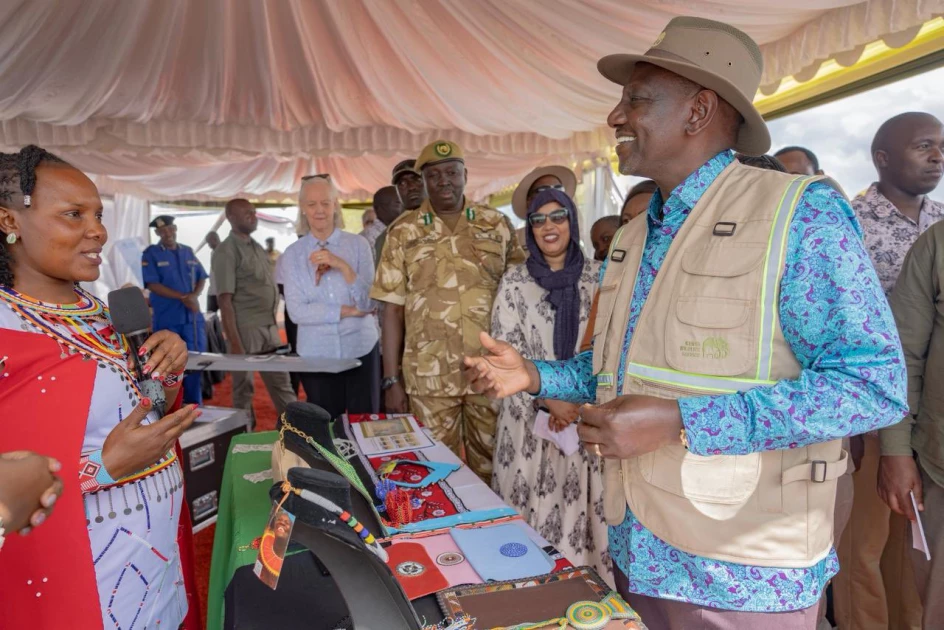
President William Ruto during the commissioning of the Tsavo West Rhino Sanctuary in Ngulia, Taita Taveta County on Tuesday December 9, 2025. PHOTO | PCS

Audio By Vocalize
Speaking during the commissioning of the sanctuary in Ngulia, Taita Taveta County, President Ruto said that the new establishment will attract top-tier tourists, with accommodation rates expected to range between $500 to $1,000 (approximately Ksh.65,000 to Ksh.129,000) per day, similar to premium charges in the Maasai Mara.
“All tourists will now pay top dollar, which will be at an additional rate from the current rates. I have been briefed by the KWS that there will be five new hotels that will be built within this park,” President Ruto said.
“Those will be high-end hotels that would mandate visitors to pay between USD 500 and USD 1000 per day. That is what will be paid and is also currently being paid in the Maasai Mara.”
The Head of State noted that the government will no longer permit low-cost hotels within the sanctuary, adding that the shift to upscale tourism is intended to maximise earnings that can provide more sustainable support to local communities.
“We have agreed in my directives to the KWS that there will be no hotels here charging Ksh.2,000 or Ksh.3,000. We want to raise our revenue so that it can reach the local community,” he said.
The Kenya Wildlife Services (KWS) and the Ministry of Tourism are now expected to implement the directives, ensuring the new hotels meet international standards.
President Ruto also directed the KWS and the Ministry to develop a carbon credits trading framework that will merge Tsavo East, West, and Galana Kulalu landscapes as a unified conservation and carbon-trading zone.
He said the initiative aims to generate additional income that will support both conservation and local livelihoods.
“I also direct that the necessary team develop a carbon credits trading plan covering Tsavo East and West, Galana Kulalu to be made into a single zone so that we can have a harmonised zone to get carbon credits so that the locals can benefit,” noted Ruto.
The government also plans to utilise revenue from hotel fees and carbon trading to enhance wildlife protection and develop infrastructure throughout the Tsavo ecosystem, including the construction of wildlife corridors and dams to support animals during droughts.
The expansion, now covering more than 3,200 square kilometres, is essential to addressing congestion that has threatened the species for years. Over 80 per cent of Kenya’s Black Rhinos have been living in overcrowded sanctuaries, reducing breeding potential and increasing the risks of territorial conflict.
“We have in our custody nearly 78% of the global population of Eastern Black Rhino; this is not simply our conservation achievement; it is a sovereign responsibility of global significance,” Ruto said.
The expanded sanctuary is expected not only to protect wildlife but also support local communities. The project is already creating jobs in ranger deployment, surveillance, construction, logistics, and road works.
By 2030, it is projected to create more than 18,000 jobs and generate over $45 million (approximately Ksh. 6 billion) in conservancy and tourism revenue.
Join the Discussion
Share your perspective with the Citizen Digital community.
No comments yet
This discussion is waiting for your voice. Be the first to share your thoughts!