

US House speaker sees swift end to government shutdown
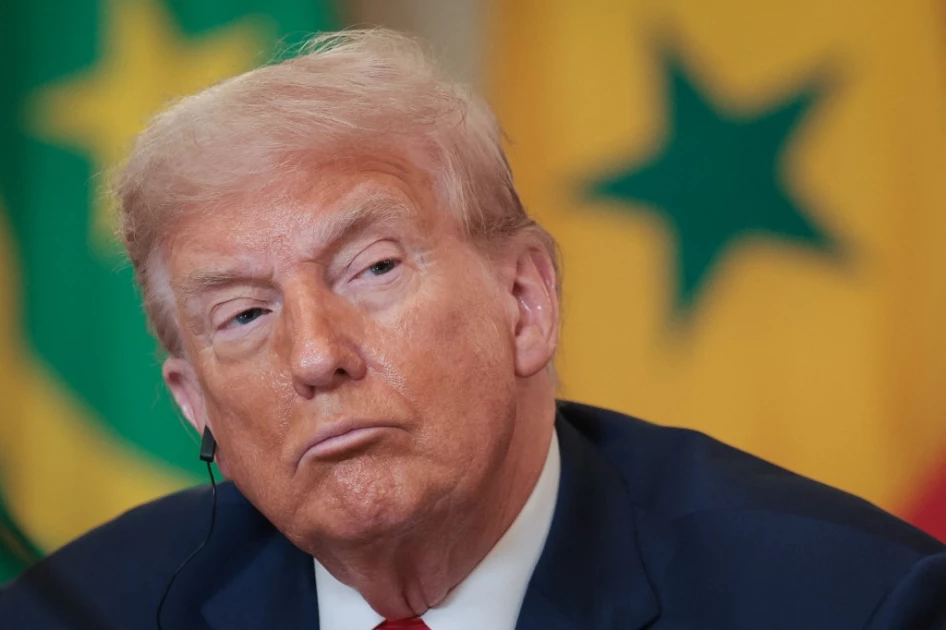
U.S. President Donald Trump listens as African Leaders deliver remarks during a multilateral lunch in the State Dining Room of the White House July 9, 2025 in Washington, DC. Win McNamee/Getty Images/AFP (Photo by WIN MCNAMEE / GETTY IMAGES NORTH AMERICA / Getty Images via AFP)

Audio By Vocalize
The government entered the shutdown Saturday as a funding deadline passed without Congress approving a 2026 budget. The impact so far appears to have been minimal.
The House is due to begin acting on the emergency Monday as it returns from recess to a snowbound Washington, addressing a Senate-backed deal to reopen the government.
"Let's say I'm confident that we'll do it at least by Tuesday," Johnson said on NBC's "Meet the Press."
The funding lapse followed a breakdown in negotiations driven by Democratic anger over the killing of two protesters in Minneapolis by federal immigration agents, which derailed talks over new money for the Department of Homeland Security (DHS).
Late Friday, the Senate passed a package clearing five outstanding funding bills to cover most federal agencies through September, along with a two-week stopgap measure to keep DHS operating while lawmakers continue negotiations over immigration enforcement policy.
Democrats in the House want changes to the way DHS conducts its immigration sweeps -- with heavily armed, masked and unidentified agents that sometimes detain people without warrants -- before voting on the spending package.
House Democratic leader Hakim Jeffries said Sunday he and his colleagues will be talking about DHS reforms with Republican leaders as lawmakers come back to the city from their home districts.
"The administration can't just talk the talk. They need to walk the walk. That should begin today. Not in two weeks, today," Jeffries said on ABC's "This Week."
Trump publicly endorsed the Senate deal and urged both parties to support it, signaling his desire to avoid a second shutdown of his second term, following a record 43-day stoppage last summer.
Much of the US media interpreted the White House's flexibility as a recognition that it needed to moderate its deportation approach following the Minneapolis killings.
Shutdowns temporarily freeze funding for non-essential federal operations, forcing agencies to halt services, place workers on unpaid leave or require them to work without pay.
Departments ranging from defense, education and transportation to housing and financial regulation would be affected in a prolonged shutdown, while pressure would mount quickly to resolve disruptions rippling through the economy.
If the House approves the Senate deal, lawmakers would then have just two weeks to negotiate a full-year DHS funding bill.
Both parties acknowledge these talks will be politically fraught, as Democrats are demanding new guardrails on immigration enforcement and conservatives are pushing their own policy priorities.
Leave a Comment