

What next after hybrid power: Understanding the impact of FIA, WRC’s decision on Safari Rally
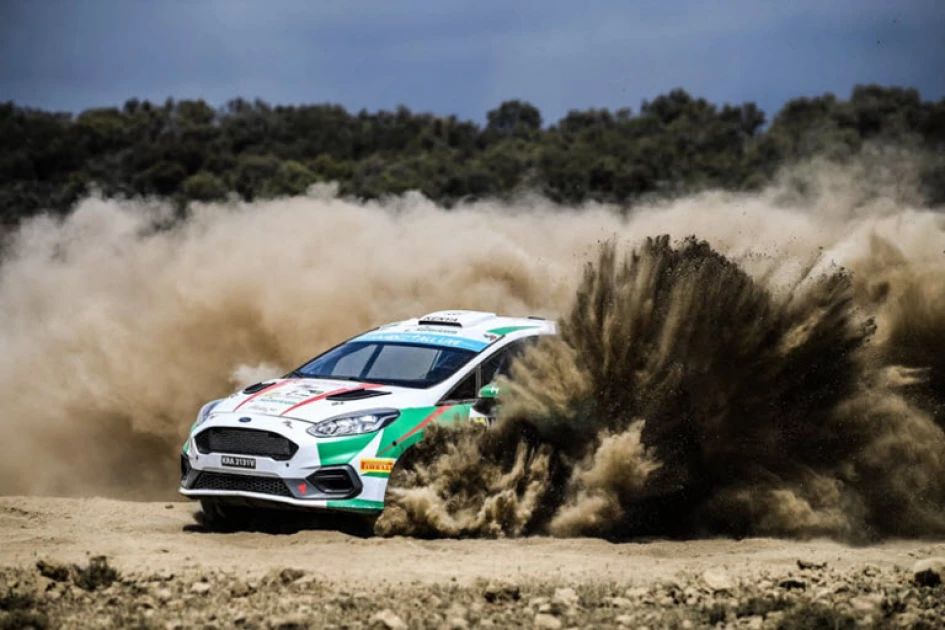
McRae Kimathi in action at WRC Safari Rally in Naivasha

Audio By Vocalize
After an
internal row in the world rally scene, the International Automobile Federation
(FIA) and the World Rally Championship (WRC) teams have decided to discontinue
hybrid power after just three years with the technology.
While the
future remains unknown, the sport is entering a new era; how will that
influence the racing spectacle, and how are local drivers affected by next
year’s Safari Rally?
How did we get here?
Earlier
this year, a back-and-forth ensued between the FIA, Compact Dynamics (the
supplier of the hybrid units) and the WRC itself.
In a plan
to revamp the sport and reduce the ever-rising costs associated with hybrid
energy, the FIA recommended ditching the hybrid units for 2025, two years
earlier than contracted with Compact Dynamics.
The
teams, however, pushed back as they had invested heavily in the technology and
wanted to see it through until the end of 2026 as planned. There were also
fears that a loss of hybrid technology would set them behind the ever-developing
motor industry.
Just a
few months ago, it was understood that the hybrid systems would stay, but
Compact Dynamics later introduced some new safety measures that would become
effective from September’s Rally Greece—a change that would drastically
impact the teams’ financial and logistical operations.
Since the
introduction of hybrid energy to WRC Rally1 cars in 2022, engineers have been
able to reset shock errors on the units if they exceed a certain amount of G-force
(G) and continue the rally.
Compact
Dynamics, however, wanted to put an end to that due to safety concerns. Their
updated safety guidelines ordered the units to be returned to Compact Dynamics
for a full repair if they suffered three shock errors over 15G or one error
over 25G.
The
process could take months, potentially forcing the teams to add new hybrid
systems to the pool.
FIA Road
Sports Direction Andrew Wheatley said, “Once [the units] got shocks, they need
to be inspected, and it’s a big job. Inspecting them is not just opening the
top and checking inside; you have to go into the battery, and that's really
destructive.”
The teams
estimated that the changes could cost them over a million Euros a year, so it
was swiftly agreed that hybrid would no longer play a part in WRC in its
current rendition.
Compact
Dynamics managing director Johannes Kloetzl, in reaction to the decision, said
he “regrets” the decision by the FIA and the WRC to phase out hybrid
technology.
“We
started [in] 2022 with the aim of using our hybrid system to drive the further
development of sustainable powertrains in racing.
“We share
the FIA’s mission to make racing affordable and accessible and recognise the
economic concerns of the WRC teams”, Kloetzl added.
What this means for the sport
The
hybrid units created an additional part of the car that could ‘go wrong’, and
was occasionally the cause of some early requirements. Returning to a more
traditional setup may reduce the number of mechanical retirements in the
future.
With the
loss of the 100KW battery, though, the drivers will lose around 130 horsepower.
In terms of performance, this could be countered somewhat by the significant
reduction in weight to 1180kg, down from 1260kg.
2021
Kenyan National Division One Rally Champion Aakif Virani says the drivers will notice
the difference.
“Without
[the hybrid systems], you’ll see the cars being lighter, dynamic, agile and
turn quicker.”
“Also, if
you notice all the cars when they brake, they’re dipping the front, and they
oscillate among their central gravity point, so I'd say you’d notice more fluid
movement in the cars, especially on jumps, accelerations and through the
corners. It will be quicker”, he added
The
changes only affect the drivers and teams in the top Rally 1 division, so
Kenyan drivers who compete in Rally 2 or 3 will be unaffected by the changes as
they never had hybrid energy to begin with.
Long-term impacts
These
latest developments do not necessarily mark the death of hybrid energy in the
WRC, as significant rule changes are expected for 2027, which could see its
return.
If they
were to come back, though, the teams – Hyundai, Toyota, Ford and any others
who’d like to join – would likely prefer to develop their own systems to
accelerate their innovation and market their technology for their road cars.
WRC 1
cars will be propelled solely on the 1.6-litre turbocharged engine for the next
two years, powered with 100% sustainable fuels.
Leave a Comment