

Pwani Oil starts selling goods in dollars amid currency shortage

Audio By Vocalize
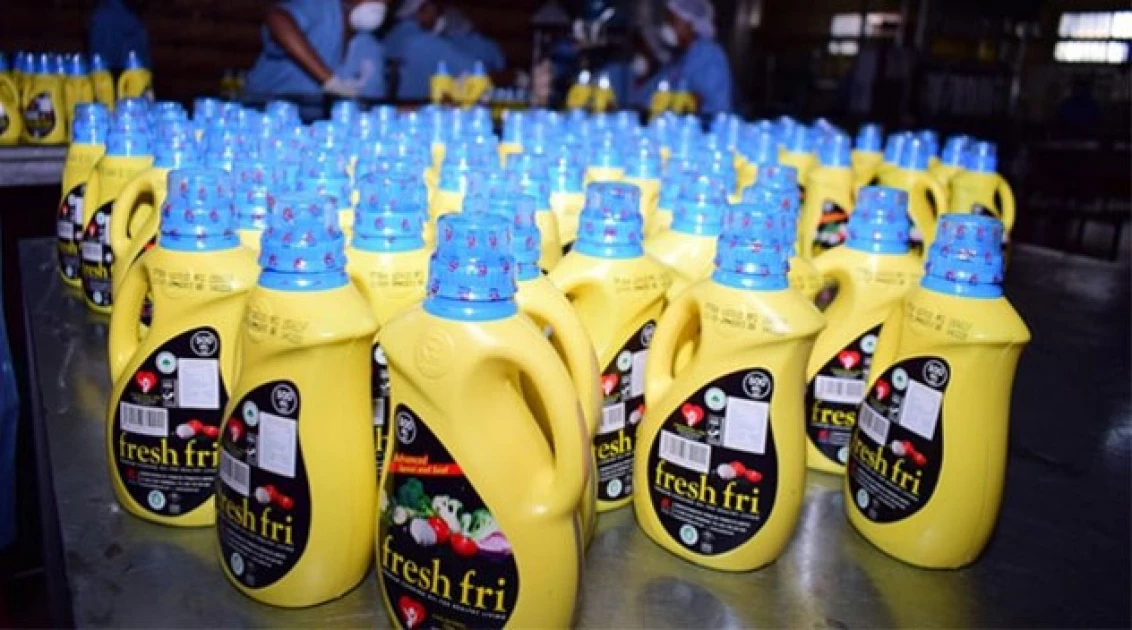
This comes just days after the maker of leading cooking oil brands Fresh Fri, Salit and Fry Mate announced it was temporarily shutting its plant due to what it says is a shortage of raw materials as a result of challenges in accessing dollars to pay suppliers.
Pwani Oil on Friday said its bankers are processing merely half of the dollar requests it needs to pay suppliers of crude palm oil from Malaysia.
In a follow up letter to its customers, the manufacturer stated that it was making the use of the US currency a payment option.
“We are faced with a situation where we may not have raw materials to be able to supply you finished products as per your requirements. We humbly request that we bill you in USD and that you pay us in USD so that we can pay our suppliers and keep our raw materials coming,” read part of the letter.
“We request that your current and future debt be paid using USD currency. We will, of course, facilitate this by providing you with a USD invoice for the goods purchased and will continue to purchase.”
Distributors were further advised to use a rate of Ksh.121 per dollar but the company noted that the rate will keep fluctuating.
“We, however, wish to assure our customers, employees, suppliers, partners and other stakeholders that this is a temporary measure and the business remains in operation and our products available in retail outlets,” added Pwani Oil.
Announcing the closure of its plant on Friday, Pwani said the situation had further been worsened by a global stiff competition and increased cost of the raw material amid Indonesia’s restriction on palm oil exports.
“We are competing for the same oil with the rest of the world and, therefore, prices are high. Added to that, we can’t pay on time so we don’t get priority in supply,” Pwani Oil Commercial Director Rajul Malde said.
The Central Bank of Kenya (CBK) last month rejected claims of dollar shortages by the Kenya Association of Manufacturers (KAM), who said that they are experiencing difficulties in accessing US dollars from the market.
CBK Governor Patrick Njoroge said the country’s current FX market remains liquid with US dollar transactions rounding off to Ksh.233.5 billion ($2 billion) on average each month.
He added that dollar requirements by the manufacturers barely scratches the monthly cap.
“For a sector importing goods worth between $90 and $100 million monthly, the figure is nowhere near the $2 billion we are putting out there,” Governor Njoroge said on May 31.
Currently, Kenya mainly imports vegetable oils such as sunflower oils, soybean, corn oil, and crude palm oil from Malaysia after Indonesia’s tight export rules.
There has, however, been weak production over the last six months in Malaysia due to floods and labor shortages.
“We are expecting one consignment [of palm oil] in the middle of this month and then after that there’s no more supply until the end of July. The one that is coming next month is dependent on dollar availability—whether we will be able to pay to release that cargo,” Mr Malde added.
Leave a Comment