

World Bank wants Kenyans earning below Ksh.32K exempted from housing levy, SHIF

Audio By Vocalize
The World Bank wants the Kenyan government
to exempt low-income earners from the housing levy and contributions towards
the Social Health Insurance Fund (SHIF).
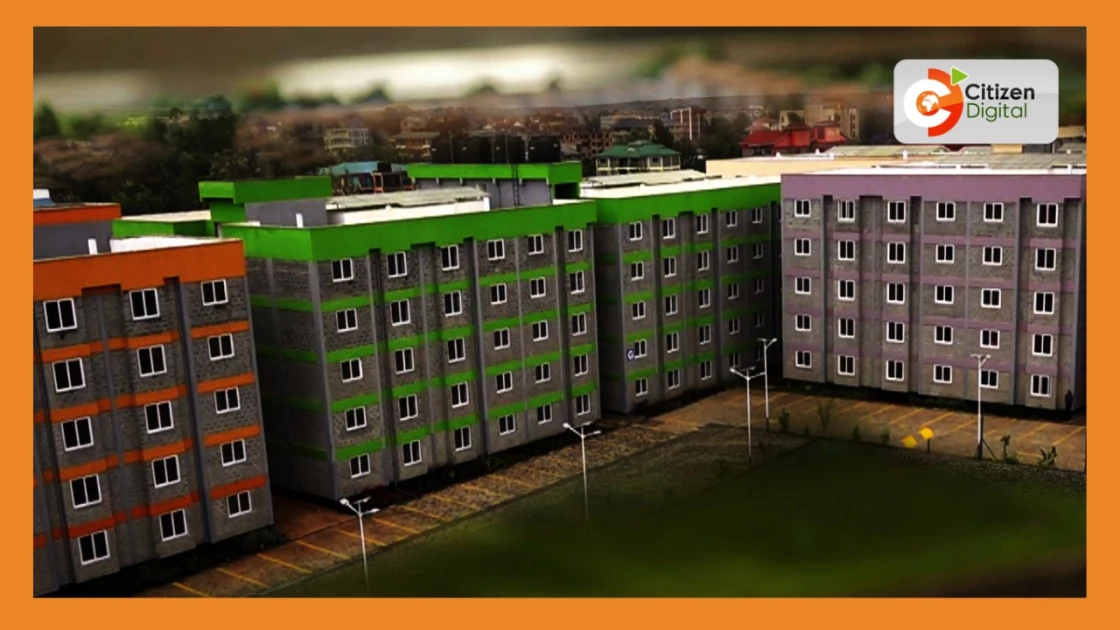
The housing tax, introduced by President
William towards an ‘affordable housing project’ to meet what he called poor Kenyans’ housing deficit and give youth job opportunities, was
also part of his government’s larger plan to increase tax collection.
Since June 2023, it has seen salaried
Kenyans part with 1.5 percent of their monthly pay towards the levy, matched by
employers.
But the multilateral lender argues that the
“relatively unpopular” tax raises the relative cost of labour, thus reducing
formal employment.
In its latest public finance review for
Kenya, the World Bank proposes an adjustment to the personal income tax (PIT)
structure to exempt low-wage earners from the housing levy.
The lender proposes the waiver for Kenyans
earning up to Ksh.32,333 monthly, arguing that this would also improve progressivity
with minimal revenue impact.
“A reform that solely repeals the housing
levy for low earners—those earning less than half the average wage—without
altering tax rates would have a minimal effect on average tax rates, leading to
a marginal revenue decline of 0.08 percent of total PIT (personal income tax)
and social security contribution revenues,” the report says.
“The resulting decline
in revenue would be minimal and can be offset by a marginal levy increase of
0.05 percentage points for above-average earners.”
Similarly, the lender wants
the government to review its SHIF policies and waive contributions to the
public health scheme for informal workers and low-earners in the formal sector.
SHIF replaced the National Health
Insurance Fund (NHIF) last October and has seen Kenyans part with 2.75 percent of their income, with the base
contribution being Ksh.300. Informal sector workers are, meanwhile, mandated to
contribute 2.75 percent of their household income.
“But the majority do not contribute,” the
World Bank report notes, “As a result, SHIF is projected to collect only Ksh.67
billion per year—far below the target Ksh.157 billion.”
The bank argues that the payroll tax design
“discourages formalization”, particularly for low-wage workers and small
employers who face higher costs when joining the formal sector.
“This creates a structural contradiction:
SHIF depends on formalization to succeed yet actively undermines it,” reads the
report.
Instead, the World Bank says the government
should focus SHIF collections on formal sector workers and finance
contributions for informal workers and poor employees.
“Consider removing SHIF contributions for low-wage formal workers. This potential reform could encourage formalization and reduce labour market distortions, as well as cover SHIF services for poor and informal workers and low-wage formal workers, funding the gap through the budget,” it says.
Leave a Comment