

Childhood shadows: How early life trauma shapes adult life

Audio By Vocalize
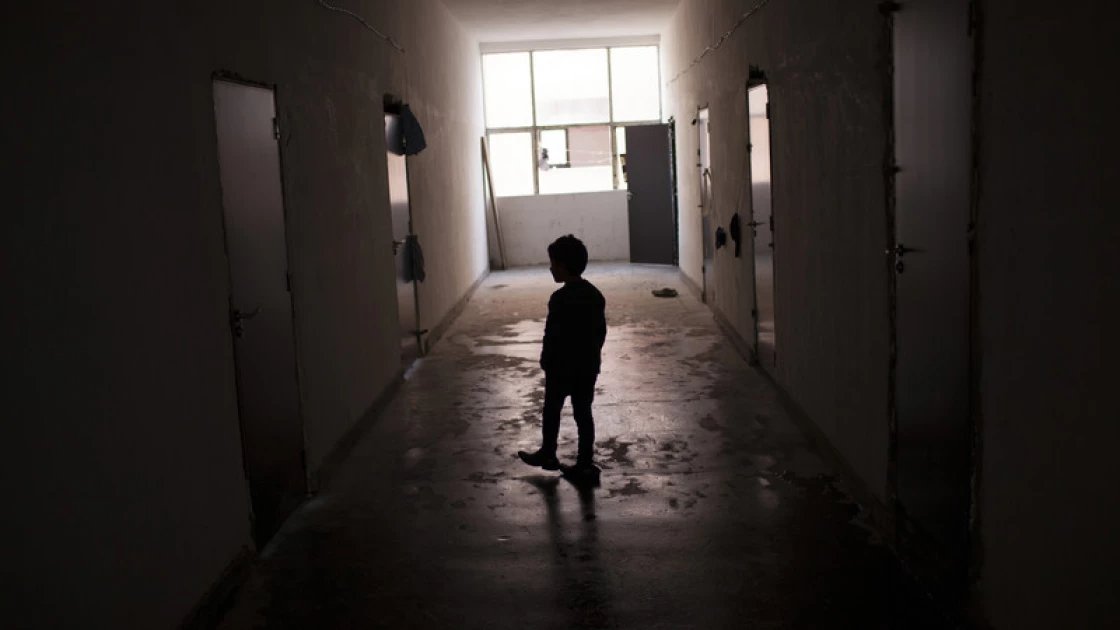
Imagine you're a child, scared and alone in a dark room. The shadows on the wall dance and loom, each one representing a moment of fear, loss, or pain.
These shadows don’t disappear as you grow older. Instead, they follow you. They influence your adult life, especially your romantic relationships. Let's see how childhood traumas shape us and how to overcome them.
According to UNICEF, approximately 1 in 4 children globally experience abuse or neglect. In East Africa, about 1 in 5 children face severe violence, including physical abuse and neglect. The Kenya National Bureau of Statistics says 30% of kids in Kenya suffer abuse or neglect. The Kenya Mental Health Policy says that childhood trauma often extends into adulthood. It can harm mental health and social behavior.
Dr. Obed, (not his real name) one of a set of twins, lost both parents by the age of three, with their father dying just a year after their mother. With no relatives to care for them, neighbors took them in. Their lives were unstable and hard as they moved from house to house in search of food and shelter.
The early years of Dr. Obed’s life were a constant battle for stability and nourishment, with the looming shadows of loss and neglect always present. This was engraved in his brain. It would later manifest in his adulthood. He attempted taking his own life by driving at a high speed but, luckily for him, he survived.
Dr. Obed’s situation was a profound source of emotional turmoil. His mother, who had passed away when he was very young, was buried in a mass grave across the border in Tanzania. She died soon after her family took her to Tanzania for medication.
His father and the rest of the paternal family members were not involved since her marriage was not approved by the family. They thought she had married into a poor family. The stark reality that his mother’s resting place was not a personal, sacred spot but rather a communal grave deepened his sense of loss and disconnectedness. He could not see her grave, unlike his father's, who was buried in their compound. The distance only amplified his pain.
The lack of a defined, individual grave site meant that Dr. Obed was deprived of a place to visit and mourn in a personal, meaningful way. This absence of closure worsened his childhood trauma. It symbolized a fragmented and unsettled past, where unresolved grief and the harsh realities of his early life remained painfully prominent.
“I wondered and asked why I could not see my mother’s grave unlike my father’s which was in our compound, even though I have no memories of her; how she looked like. I even set out to go to Tanzania to find it, unluckily I was told by the authorities that she was buried in a mass grave,” he told Citizen Digital, overwhelmed by the weight of sorrow.
This situation intensified Dr. Obed’s sense of abandonment and instability. “The inability to mourn properly and the emotional disconnection from my mother’s resting place reinforced feelings of insecurity and emotional neglect. Without a clear way to honor my mother, I could not find closure. It kept my childhood wounds alive and made it hard to find peace. This ongoing struggle with unresolved grief and lack of closure significantly impacted my emotional well-being and my journey towards healing and building healthier relationships.”
However, a significant challenge arose when he sought to bury a casket filled with female clothes as a means of closure. This act was met with resistance from the management at Lang'ata Cemetery and Nairobi City County. Convincing the authorities of the significance and necessity of this gesture proved to be a formidable task.
Despite the bureaucratic hurdles and skepticism, Dr. Obed's determination and emotional resolve guided him through the process. His perseverance in honoring this symbolic gesture underscored his commitment to confronting and resolving his past traumas.
With heartfelt resolve, Dr. Obed shared, “I buried the casket at Lang’ata cemetery and I often visit the same spot to place flowers whenever I feel like I miss my mum.”
In Maasai culture, where Obed comes from, death is seen not as the end of existence but as a transition. This view aligns with many African beliefs. They hold that the afterlife is influenced by one's adherence to cultural and moral codes in life.
Unlike other cultures, the Maasai do not engage in elaborate mortuary practices or hold beliefs in a conventional afterlife. Instead, they believe that once life leaves the body, the body itself holds no further value. The Maasai historically discarded the dead in the forest, allowing wild animals to consume the remains.
Trauma is any event that causes fear, helplessness, horror, or being overwhelmed. Dr. Abby Medcalf is a psychologist, author, and speaker. She specializes in relationships and personal development. She has stressed that early traumas shape adult lives.
Why Do These Traumas Affect People So Deeply?
Attachment Styles: Children learn how to connect with others. If their early experiences were filled with love and security, they develop a healthy attachment style. “But if those experiences were traumatic, they might struggle with trust and intimacy as adults,” states Dr. Medcalf.
Communication Styles: How they learned to communicate as kids often stays with them. If they grew up in a household where conflicts led to yelling, they might do the same in their relationships. Alternatively, they might avoid conflict altogether, finding it hard to express their feelings.
Dr. Medcalf emphasizes that many who have experienced childhood trauma suffer from alexithymia, a condition where a person has difficulty identifying and describing their emotions. This can lead to misunderstandings in relationships.
For instance, a partner might appear angry but claim to feel fine. Alexithymia often results in a focus on actions rather than emotional expression, which can hinder communication and emotional connection.
“I have struggled with expressing myself for a long time to anybody, especially in my relationship. "I may attribute this to an experience where my own aunt yelled at me after visiting. She served me food from outside and said we belonged to the dogs and that I should not step into her house," Obed lividly remembers.
According to Dr. Medcalf, childhood trauma and abuse can significantly affect emotional development, which in turn impacts adult relationships in several key areas: Childhood trauma undermines the foundational ability to trust. Trust issues often stem from early betrayals by caregivers, making it hard to believe in the reliability and safety of others. This lack of trust can make it difficult to form secure, healthy relationships.
“Early experiences generally shape a child’s development in a significant way. A child who has lost that individual, who is supposed to help them shape the perception of their world during the formative years, makes them develop poor attachment in adulthood, often finding it hard to form relationships. They fear, may avoid people and situations, and become anxious. They worry that the person they are getting close to will leave them or be taken from them. They experience emotional deregulation—they have outbursts and irritability. They sometimes become numb; it is so hard to get through to them,” Dr. Gathoni Mbugua, a Psychologist at Chiromo Hospital, says.
"Studies show that disrupting a stable, nurturing environment in a child's formative years can cause identity confusion. The formative years are typically 0-10, but some studies say until 17. A parent is the first person to give a child a sense of belonging." When they die, a child is left in limbo resulting in a search for themselves even in adulthood. Even though some become resilient and develop adaptive coping skills and more often they become more empathetic because they have gone through it,” Gathoni adds.
“Moreover, some become wounded healers who get into humanitarian work to help other people. Post-traumatic growth makes others form a deeper appreciation of life,” Gathoni acknowledges.
Dr. Obed’s Journey to Overcoming Childhood Trauma
Dr. Obed's life is proof of the resilience and determination required to overcome childhood trauma. Despite the instability and hardship of his early years, he pursued education relentlessly, driven by a desire to make a better life for himself and his twin. The journey was fraught with challenges, but Dr. Obed never lost sight of his goals.
Childhood traumas are like shadows that follow us into adulthood. By understanding and addressing these early wounds, one can build healthier relationships and lead more fulfilling lives. It’s a journey, but with the right support and tools, healing is possible.
There is profound impact of early trauma on adult lives and relationships. With resilience, support, and the right strategies, one can overcome the shadows of the past and step into the light of a brighter, more connected future. Dr. Obed is still on therapy and continually shares his story for a positive impact towards his healing.
Mental health contributes significantly to socio-economic development of individuals, households, families, communities, nations and societies at large.
Leave a Comment