

Dementia risk may increase if you’re eating these foods, study says
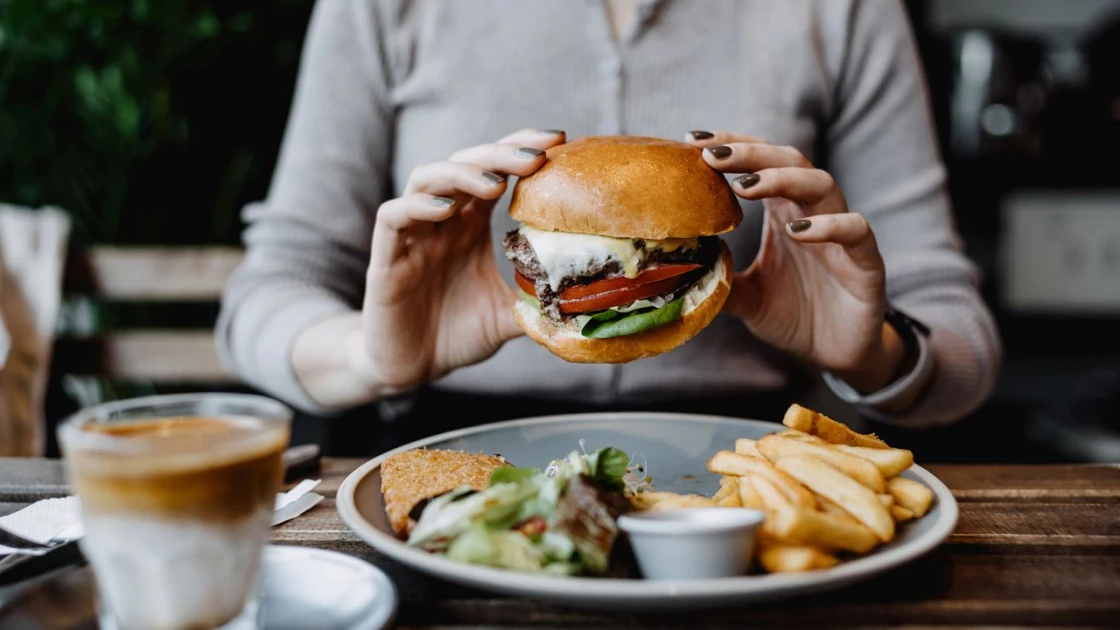
Ultraprocessed foods, like burgers and fries, could raise your risk for cognitive decline if it's more than 20% of your daily calorie intake, a new study found.

Audio By Vocalize
We all eat them — ultra-processed
foods such as frozen pizza and ready-to-eat meals make our busy lives much
easier. Besides, they are just darn tasty — who isn’t susceptible to hot dogs,
sausages, burgers, French fries, sodas, cookies, cakes, candy, doughnuts and
ice cream, to name just a few?
If more than 20% of your
daily calorie intake is ultra-processed foods, however, you may be raising your
risk for cognitive decline, a new study found.
That amount would equal about 400 calories a day in a
2,000-calories-a-day diet. For comparison, a small order of fries and regular
cheeseburger from McDonald’s contains a total of 530 calories.
The part of the brain involved in executive functioning —
the ability to process information and make decisions — is especially hard hit,
according to the study published Monday in JAMA Neurology.
In fact, men and women who ate the most ultra-processed
foods had a 28% faster rate of global cognitive decline and a 25% faster rate
of executive function decline compared with people who ate the least amount of
overly processed food, the study found.
“While this is a study of association, not designed to
prove cause and effect, there are a number or elements to fortify the
proposition that some acceleration in cognitive decay may be attributed to
ultra-processed foods,” said Dr. David Katz, a specialist in preventive and
lifestyle medicine and nutrition, who was not involved in the study.
“The sample size is
substantial, and the follow-up extensive. While short of proof, this is robust
enough that we should conclude ultra-processed foods are probably bad for our
brains.”
There was an interesting twist, however. If the quality of
the overall diet was high — meaning the person also ate a lot of unprocessed,
whole fruits and veggies, whole grains and healthy sources of protein — the
association between ultra-processed foods and cognitive decline disappeared,
Katz said.
“Ultra-processed foods drag diet quality down, and thus
their concentration in the diet is an indicator of poor diet quality in most
cases,” Katz said. “Atypical as it seems, apparently some of the participants
managed it. And when diet quality was high, the observed association between
ultra-processed foods and brain function abated.”
It’s not a lot of calories
The study, presented Monday at the 2022 Alzheimer’s
Association International Conference in San Diego, followed over 10,000
Brazilians for up to 10 years. Just over half of the study participants were
women, White or college educated, while the average age was 51.
Cognitive testing, which included immediate and delayed
word recall, word recognition and verbal fluency were performed at the
beginning and end of the study, and participants were asked about their diet.
“In Brazil, ultra-processed foods make up 25% to 30% of
total calorie intake. We have McDonald’s, Burger King and we eat a lot of
chocolate and white bread. It’s not very different, unfortunately, from many
other Western countries,” said coauthor Dr. Claudia Suemoto, an assistant
professor in the division of geriatrics at the University of São Paulo Medical
School.
“Fifty-eight percent of the calories consumed by United
States citizens, 56.8% of the calories consumed by British citizens, and 48% of
the calories consumed by Canadians come from ultra-processed foods,” Suemoto
said.
Ultra-processed foods are
defined as “industrial formulations of food substances (oils, fats, sugars,
starch, and protein isolates) that contain little or no whole foods and
typically include flavorings, colorings, emulsifiers, and other cosmetic
additives,” according to the study.
“People who consumed more than 20% of daily calories from
processed foods had a 28% faster decline in global cognition and a 25% faster
decline in executive functioning compared to people who ate less than 20%,”
said study coauthor Natalia Gonçalves, a researcher in the
department of pathology at the University of São Paulo Medical School.
In addition to the impact on cognition, ultra-processed
foods are already known to raise the risk of obesity, heart and
circulation problems, diabetes, cancer and a shorter life
span.
“Ultra-processed foods in general are bad for every part
of us,” said Katz, president and founder of the nonprofit True Health
Initiative, a global coalition of experts dedicated to evidence-based lifestyle
medicine.
Ultra-processed foods are
usually high in sugar, salt and fat, all of which promote inflammation
throughout the body, which is “perhaps the most major threat to healthy aging
in the body and brain,” said Dr. Rudy Tanzi, professor of neurology at Harvard
Medical School and
director of the
genetics and aging research unit at Massachusetts General Hospital in Boston.
He was not involved in the study.
“Meanwhile, since they are convenient as a quick meal,
they also replace eating food that is high in plant fiber that is important for
maintaining the health and balance of the trillions of bacteria in your gut
micro-biome,” Tanzi added, “which is particularly important for brain health
and reducing risk of age-related brain diseases like Alzheimer’s disease.”
How can you keep this from happening to you? If you
include ultra-processed foods in your diet, try to counter these by also eating
high-quality, whole foods such as fruits, vegetables and whole grains.
“The conclusion suggested here is that ultra-processed
foods are, indeed, an important ‘ingredient,’ but the exposure that should be
the focus of public health efforts is overall diet quality,” Katz said.
One easy way to ensure diet quality is to cook and prepare
your food from scratch, Suemoto said.
“People need to know they should cook more and prepare
their own food from scratch. I know. We say we don’t have time but it really
doesn’t take that much time,” Suemoto said.
“And it’s worth it because you’re going to protect your heart and guard your brain from dementia or Alzheimer’s disease,” she added. “That’s the take-home message: Stop buying things that are super-processed.”
Leave a Comment