

First-Aid: Five critical tips that can help save a life in case of an emergency
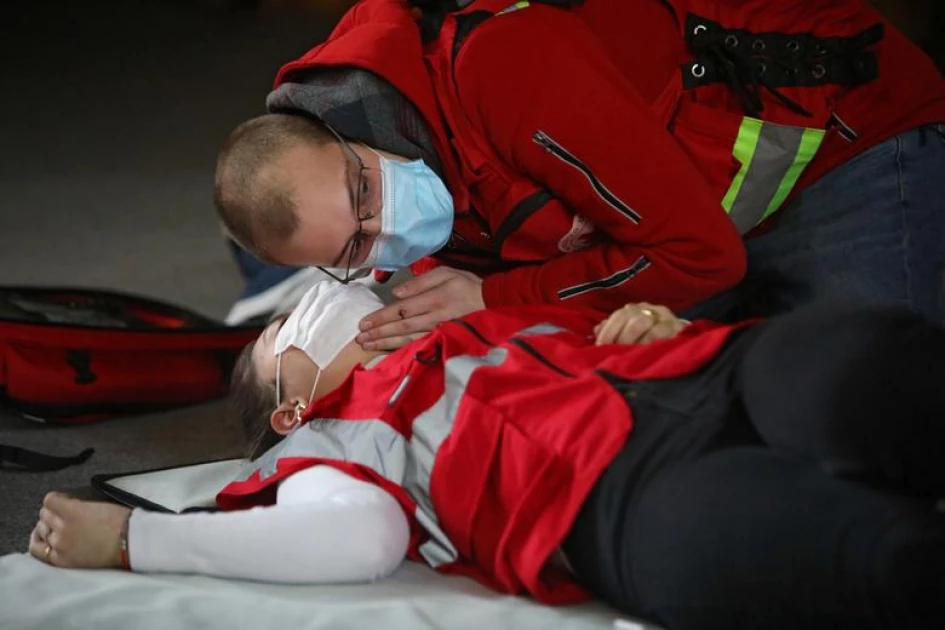
Civilian defence specialists conduct emergency preparedness training for students at a local school in Kharkiv, Ukraine February 22, 2022. REUTERS/Vyacheslav Madiyevskyy

Audio By Vocalize
Would you know what to do if you were in an emergency? Would you be aware of what to avoid and how to do the right thing, the right way?
Everyone should have a basic understanding of first aid. This includes understanding how to stop nosebleeds, manage poisonings, attend to small cuts and burns, relieve bug bites and stings, and stop choking.
Also, it's critical to know what to avoid doing in an emergency circumstance, such as transferring a person who may have suffered a spinal or brain injury.
Here are some basic first-aid procedures that can be performed by following these steps:
Burns
For several minutes, flush a burn with cool running water. Avoid using ice, lotion, oil, or butter. After that, apply some mild gauze to the wound.
Bleeding
To help stop or reduce bleeding, place a towel or cloth over the wound and press down firmly.
Fractures
Never try to realign a fracture. Instead, use a splint or padding to immobilise it.
Nosebleeds
For a nosebleed, tilt the patient's head forward (not back) and pinch the area beneath the bridge of the nose. Hold this position and check every 10 minutes to see if the bleeding has stopped.
Bee stings
If the stinger is present, scrape it away from the skin before applying a cool compress to reduce swelling. Monitor the patient for signs of anaphylaxis, such as hives, redness or itching on other regions of their body, as well as difficulty breathing.
Having a fully equipped first-aid kit is essential. To obtain the necessary knowledge in basic first-aid or to brush up on what is already understood about the practices, attending a first-aid course is recommended.
It is important to assess the severity of an injury and seek medical help immediately if the situation is deemed potentially life-threatening. In cases where you are uncertain of how to proceed, it's also best to seek the help of a medical professional.
Leave a Comment