
From vitamins to protein powder: How popular supplements could put your life at risk

Audio By Vocalize
Often, the advice comes from people with no expertise, who simply want you to keep up with the latest trend or, in some cases, make a profit off unsuspecting customers.
In today’s world, where quick fixes and fast results are often marketed as solutions to complex health problems, dietary supplements have gained immense popularity. From weight loss pills to multivitamins and protein powders, supplements promise to enhance health, boost energy, and even improve physical appearance.
However, while these products can be beneficial in certain situations, they are often abused and used without proper guidance, leading to potential harm rather than benefit. These products began gaining popularity in the wake of COVID-19, when many people turned to them to boost immunity and prevent COVID infection.
What Are Dietary Supplements?
Dietary supplements are products designed to complement the normal intake of nutrients through food. They provide concentrated sources of vitamins, minerals, amino acids, fatty acids, fiber, or other essential nutrients.
While supplements can be beneficial in certain situations, they are not intended to replace a balanced diet.
Supplements are particularly useful for individuals who have specific nutrient deficiencies, increased physiological needs, or restricted diets.
For example, people with digestive disorders, pregnant or breastfeeding women, or strict vegetarians may need supplements to bridge nutritional gaps and ensure they receive the necessary nutrients their bodies require. In such cases, supplements can provide a targeted solution to meet these nutritional needs.
For most healthy individuals who consume a balanced and varied diet, however, food alone is usually sufficient. Whole foods provide nutrients in the right combinations, along with additional beneficial components like fiber and antioxidants, which supplements cannot fully replicate.
A diverse diet that includes fruits, vegetables, whole grains, lean proteins, and healthy fats is the best way to achieve optimal nutrition.
Unfortunately, many people take supplements with the belief that more is always better, ignoring the risks that accompany improper use. "When people overuse supplements, especially without professional guidance, they risk overwhelming their organs and disrupting the body's natural balance," says Kepha Nyanumba, a nutritionist from Nairobi.
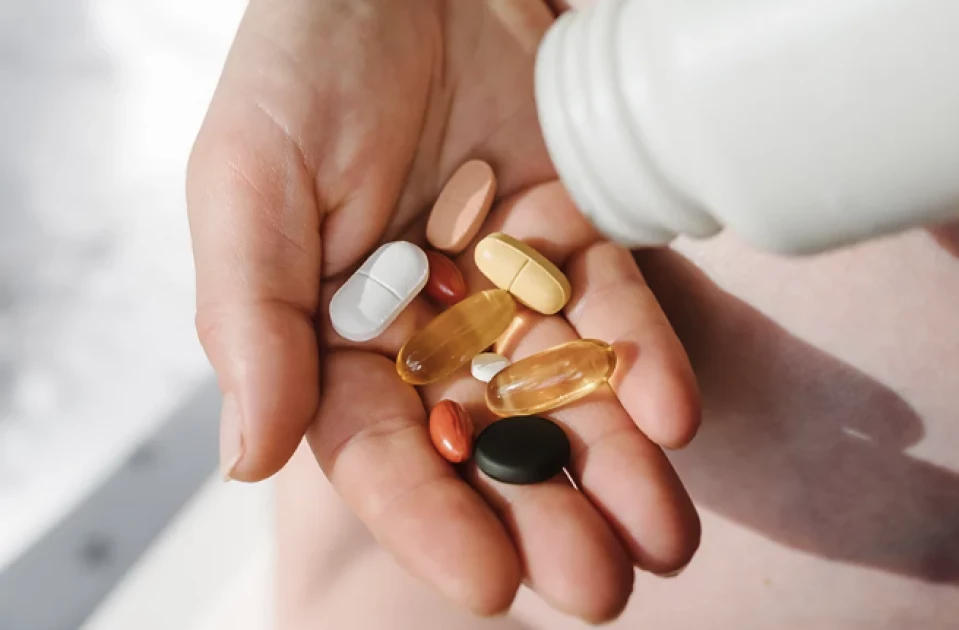
One of the most commonly overused supplements today is multivitamins, often taken without any specific need. Others, like high-dose vitamin C, protein powders, fat-burners, and performance enhancers, are consumed based on the misconception that they will lead to faster or more dramatic results. This misuse of supplements can lead to serious health issues.
Nyanumba highlights that "high doses of certain vitamins, such as vitamin A, D, or iron, can cause toxicity and strain organs like the liver and kidneys, especially when taken long-term."
Worse still, many individuals do not consult healthcare professionals before starting supplementation. This lack of expert advice can result in the dangerous interaction of supplements with medications.
For instance, calcium, iron, and magnesium supplements can interfere with the absorption of certain prescription drugs, while high doses of omega-3 fatty acids increase the risk of bleeding when combined with blood thinners.
Nyanumba emphasizes, "without professional guidance, people are unknowingly putting their health at risk by mixing supplements with prescription medications."
In addition to the risks associated with taking supplements that aren't necessary, there’s also the issue of improper combinations. For instance, taking calcium supplements with iron can impair iron absorption, and taking high doses of certain fat-soluble vitamins (like A, D, E, or K) can lead to a dangerous buildup in the body. Nyanumba cautions, "This can result in severe complications such as liver damage, cardiovascular problems, or even kidney failure."
Even “natural” or herbal supplements, often seen as a safer alternative, are not without risk.
Nyanumba warns, "Herbal supplements can still cause harm, especially when combined with medications or other supplements. Many herbal products are poorly regulated, and some may be contaminated with heavy metals or pesticides."
What’s most concerning is the influence of online advice and marketing. The supplement industry often relies on exaggerated claims, such as “cure-all” promises or quick-fix solutions, which prey on people’s hopes and fears. Testimonials and influencer endorsements may sound convincing, but as Nyanumba points out, "These claims are often misleading and based on anecdotal evidence, not scientific research. Consumers should be cautious of supplements marketed as miracle cures."
As Nyanumba advises, seeking professional advice is important. “Before starting any supplement regimen, it's essential to consult a healthcare professional or a registered dietitian to determine whether supplements are necessary and to avoid potential harm." Supplements should never replace a balanced diet or be used as a quick solution to health problems. "A healthy, well-balanced diet is the foundation of good health, and supplements should only be used when there is a clear, identified need," he concludes.
The rise in supplement abuse is an ongoing concern, and the long-term health risks of misuse are only beginning to be understood.
Nyanumba underscores, "Consumers must stop viewing supplements as quick fixes. With expert advice and a mindful approach, supplements can be used safely and effectively to genuinely benefit health—without posing unnecessary risks."
WHO's Stance on Supplements
The World Health Organization (WHO) emphasizes that dietary supplements should only be used when there is a clear need to address specific nutrient deficiencies or health conditions. They should never replace a balanced diet.
WHO advocates that supplements are most beneficial when targeting particular deficiencies, such as for pregnant women, young children, or individuals with specific health conditions. For most people, a well-balanced, varied diet should be the primary source of nutrients.
WHO warns against the risks of overusing supplements. Taking excessive amounts of certain vitamins and minerals can lead to toxicity, which can harm vital organs like the liver and kidneys.
Unregulated supplements, particularly those marketed for weight loss or performance enhancement, can be harmful due to the lack of proper quality control and safety regulations.
While supplements can provide health benefits in certain cases,such as iron for those with anemia, vitamin A for preventing blindness in children, and folic acid for pregnant women,WHO stresses that these should be taken based on medical advice.
The focus should always be on obtaining nutrients from food, as whole foods provide not only vitamins and minerals but also fiber and other beneficial compounds that supplements can't replicate.
WHO also advocates for strict regulation of supplements to ensure their safety, efficacy, and proper labeling. Consumers are urged to avoid buying supplements from unreliable sources and only choose those that have been tested and approved by reputable regulatory bodies. The organization calls for more research into the safety and effectiveness of supplements, particularly those that claim to provide broad health benefits without clear evidence.
Kenya's Regulations and Oversight
In Kenya, the Pharmacy and Poisons Board (PPB) is the main regulatory body responsible for controlling the importation, sale, and use of health products, including dietary supplements. Supplements marketed with health claims must be registered with the PPB before they can be sold in Kenya.
The Pharmacy and Poisons Act (Cap 244) governs this process, ensuring that supplements meet safety and quality standards. Additionally, all supplements must be properly labeled, detailing their ingredients, dosage, and manufacturer information, while ensuring that no misleading or false claims are made about their benefits.
Kenya Bureau of Standards (KEBS) also plays a significant role by setting guidelines for the production, packaging, and labeling of dietary supplements through standards like Kenya Standard KS 2340. These guidelines ensure that supplements comply with international food safety standards, protecting consumers from substandard or harmful products.
The National Food and Nutrition Policy (2012) also addresses the use of supplements as part of broader efforts to combat malnutrition, especially among vulnerable populations like children, pregnant women, and the elderly. However, the policy stresses that supplements should be used as a last resort when other dietary improvements are not possible.
Additionally, Kenya has the Consumer Protection Act, which safeguards consumers from unsafe or fraudulent products, including dietary supplements. This law ensures that consumers are fully informed about what they are buying, including the contents, risks, and benefits of supplements.
Despite these regulations, there are still challenges with enforcement, particularly in the informal market. Many supplements sold through unregulated channels, such as online platforms or informal stores, may not undergo the necessary scrutiny. This highlights the need for increased public awareness and education on safe supplement use.
While Kenya has established guidelines and regulations for the use of dietary supplements, enforcement remains a challenge, especially in informal markets. The government, through bodies like the PPB and KEBS, should work on ensuring consumer safety by regulating supplements to prevent harm.
Join the Discussion
Share your perspective with the Citizen Digital community.
No comments yet
This discussion is waiting for your voice. Be the first to share your thoughts!