
Managing wounds: Why healing process might be longer than expected
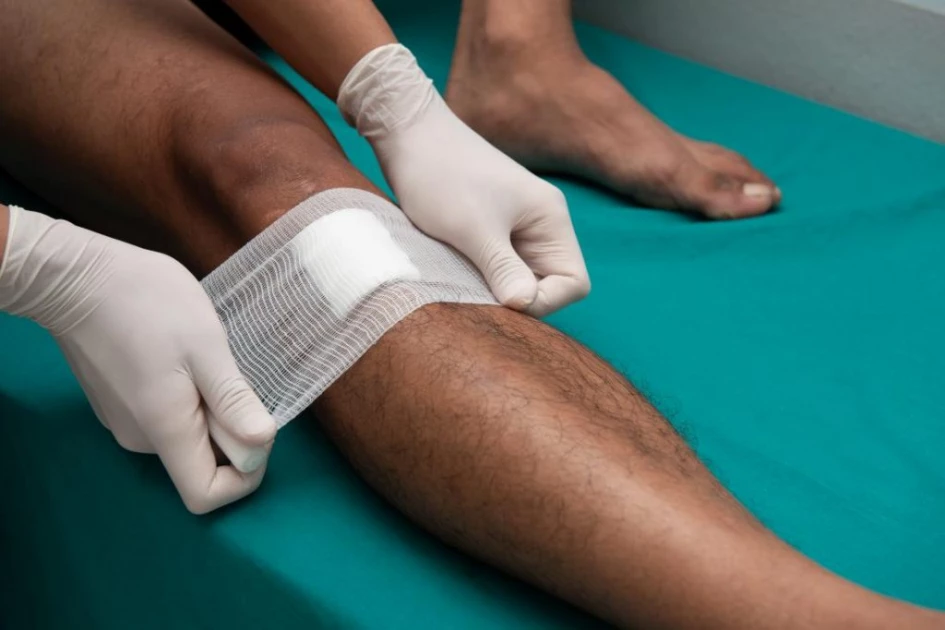
Stock image of a wound under treatment.

Audio By Vocalize
According to Dr Kennedy Omondi, a Wound Specialist, conditions like hypertension, diabetes and other immune deficiency conditions and infections play a huge role in delaying the healing process.
Omondi told Citizen Digital that acute wounds may turn chronic leading to stagnation due to factors like local, systemic infections and moisture imbalance among others.
“This can only be identified by a medical practitioner, I tend to different types of wounds from cuts, chemical burns, trauma wounds, surgical wounds, and any other condition breaking the skin integrity,’ he says.
Omondi notes some wounds are not only limb-threatening, but life-threatening as well.
By applying science, innovations such as absorbable and non absorbable dressing are used to address wounds of different severity which enables patients to get back on their feet.
"As a specialist, it is my responsibility to ensure the healing environment to facilitate quick closure," he said
“Over the years, we have had significant contribution to this field and has served as a foundation for improving wound care. I use scientifically engineered products and technologies that make wounds heal quicker. Wounds have the capability to regenerate on its own then it becomes our responsibility to ensure there is going to be a conducive environment for quick closer and fewer days,” he added.
The specialist notes that advanced dressing materials are scientifically engineered to manage infections and stimulate regenerate of tissues and avoid sepsis.
“Some people struggle with non-healing wounds, on this case growth factor concentrate comes in handy, this is where we take patients’ blood and extract growth factors then inject it back to the wound and facilitate regeneration of tissues,” he says.
''Use of technology such as materials which doesn’t require frequent dressing changes enhances quicker healing whereby there is less interference with the process. Portable Devices at times are used to enhance quicker wound closure, infection prevention and wound drainage," he added.
Minor open wounds can usually be managed at home by applying pressure and a bandage. But large wounds, or wounds that won’t stop bleeding, require medical care.
''Some wounds can be managed from home with guidance or even virtual consultations, the others have to be seen by a specialist to prevent infections and complications," he said
Some wounds take long to heal that it can interfere with the daily life, while there are wounds that can be managed at home deeper issues need to been by a specialist, remember skin contains a lot of bacteria and that can pose a danger. Omondi cautions people not to overlook a wound and visit the hospital when they notice swellings, redness or pus.
“Check out for signs like delayed healing, presence of pus, foul smell. It is important not to overlook wounds despite how small they are. Visit a facility, when you notice continuous bleeding, throbbing pain, unusual discharge and color changes,’ he advises
Join the Discussion
Share your perspective with the Citizen Digital community.
No comments yet
This discussion is waiting for your voice. Be the first to share your thoughts!