
‘I’ll only heal when I meet Dusit victims’ families’: mother of terrorist behind 2019 attack speaks
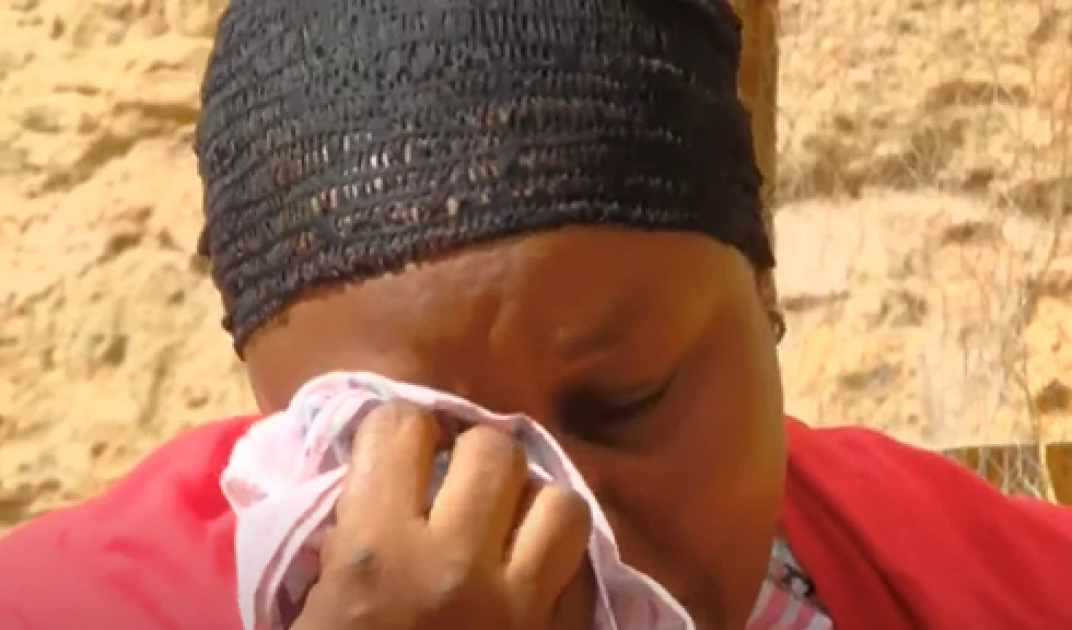
Sakina Mariam is she is the mother of the late Ali Salim Gichunge, a man identified as one of the attackers in 2019's Dusit D2 terror attack.

Audio By Vocalize
On the 15th of January 2019,
terrorists struck Nairobi’s up-market Riverside area, killing 21 people.
Just over 700 others were lucky to
escape with injuries. Four years later, business is back to normal at Dusit D2
with enhanced security at the complex.
Survivors of the attack continue to
rebuild their lives while the government continues to enhance measures to
counter terrorism. In Isiolo County, we meet Sakina Mariam; she is the mother
of the late Ali Salim Gichunge, a man identified as one of the attackers.
Sakina was arrested and later set free
by a Nairobi court after the court dismissed charges of failing to disclose to
police information on the whereabouts of her son.
Mariam says the last time she saw her
son was in May 2015 when he left home while she was away on a trip. She was
told that he had received a scholarship to study religious education.
“Nilifika nyumbani kutoka harusi
madada zake wakaniambia ali alienda nikauliza alienda lini wakaniambia mum
uliondoka thursday ali alikufuata nyuma saturday nikawaluiza aliwaambia ameenda
akasema ile scholarship yake ya kusomea dini imekuja nikawauliza aliwaambia
ameenda wapi,” she says.
She would later talk to her son after
two days, and he told her that he was in Mombasa where he had secured a new job.
“Akaniambia mimi sikuji nimepata kazi
nikamuuliza umepata kazi aje baada ya siku mbili akaniambia ile scholarship
yangu imekuja lakini nimepata kazi niko mombasa lakini bado nitaendelea na
masomo,” says Mariam.
His phone was switched off for close
to a month before he made another call in June 2015 with a number that started
with +252, which is the Somalia calling code.
That call broke her heart and she
immediately reported to the police.
“Kitu ilisababisha ni ripoti ni simu
alinipigia mpya nikaona 252 hiyo number nikaona si ya kenya nikakimbia kuripoti
pahali niliripoti wakasema sawa ngoja ukipigiwa simu ingine utuletee majibu
ikawa akapiga tena ikawa vile vile … nilijiunga na kikundi cha wazazi
ambao watoto wao walitorokea kule na tukawa tunapewa himizo hata na county
commissioner.”
The slain terrorist last made a call
to the family in 2017 before going silent only for the news of the attack to
hit the family two years later.
Gichunge’s elder sister, Amina Mohamed,
was the first to recognise her brother from the CCTV footage and the story that
was being aired by local and international media houses.
“The first video ilikuwa ina circulate
ilikuwa ya reuters so vile niliona hiyo video nilikuwa na butterflies sikutaka
kuregister ni ndugu yangu nilikuwa na positivity si yeye, usiku saa moja
nilipata habari ni yeye kwa citizen kwa sabbat mtangazaji alisema alituma pesa
na ikaleta jina ali salim gichunge,” says Mohamed.
Gicgunge’s mother adds; “Saida
alinipigia simu nikamuuliza iko shida ni nini akaniambia amina amesema ali ni
mhusika wa ku attack hiyo hoteli iko Nairobi hapo kwa hapo nikaanza nduru amina
akapiga akaniambia nikamuuliza amejua aje akaniambia nimemwona mwili na hata
vile anatembea ni yeye vile analimb kwa sababu mguu yake imewekwa nyuma.”
The actions by her only son led to the
arrest of Mariam by DCI detectives from Isiolo. Shortly after the arrest, she
was arraigned in court.
“Mimi nilianza kupiga nduru kortini na
nikalia sana nikauliza itafika aje mimi nishikwe niletwe mahali kama hii kwani
mimi nimekosea nani, mimi sikujua mtoto aingie mahali mbaya kama hiyo ama
nikubali akuje afanye jambo kama hili,” she narrates.
For seven months, Mariam was in and out
of the Langata Women’s Prison until July 5th 2019 when she was set free.
“Kufika korti ya juu ndio judge akauliza sasa
mhusika ni mama ama mtoto, kuna ule wakili anasema mama anajua kila kitu
mwengine anasema hajui mimi nikasema sijui chochote judge akasema mama
atawekewa aje makosa ya mtoto mwenye ni over 18 … jaji akaniambia korti hii
imekuweka uhuru imekuachilia hauna mashtaka ya kujibu mimi pale
nilishindwa kuvumilia na nikamwomba mungu sana,” she says.
But the actions of her son subsequently
changed their lives in Isiolo as neighbours started shunning her family.
“Mimi kutoka hapa nifike soko ni kazi
ngumu, mimi kutoka hapa mahali kuna sherehe siendi, mazishi ikitokea na ni mtu
najua nikifika hivi watu wameanza story zangu, wengine wanasema mama ya gaidi
mkuu.”
Mohamed says; “mara ya kwanza nililose
biashara, nikalose kazi kwa sababu time yangu nyingi nilikuwa nashughulikia
mama yangu, for those eight months nilikuwa nashughulikia mama yangu na dada
zangu hata mtoto wangu alivyochukuliwa na akahamishwa Isiolo.”
As the stigma intensified, Mariam
and her four daughters found solace in the National Counter-Terrorism Centre
which runs a rehabilitation program for families who have lost their children
to violent extremism.
“NCTC wamenishikilia vizuri pia wakati
tulienda nao Mombasa niliwaambia hata kama nimetengwa na jamii wakaniambia
nisijali watanishikilia … nilienda nikapata wenye uchungu kama mimi na hata
zaidi nikawaambia sasa vile yenu iko haina uchungu mimi yangu ni mbaya zaidi
kwa sababu nyinyi mnamatarajio, mimi sina wangu alienda … hakuwa hata na
starehe alikuwa mpole,” says Mariam.
Mariam, who describes herself as a
victim of terrorism even though her son was the mastermind of the attack, says
she will only heal once she gets a chance to meet with families that lost their
loved ones.
She also wants to apologize for her
son’s actions.
“Uuchungu ninalia mtoto ameuawa, mtoto
ameua na jina yangu imeharibika na nina umwa na zile familia zinalia saa hizi
kama wale waliachwa walemavu mimi ninalia, wale walipoteza jamii zao mimi
ninalia,” she says.
“Me kivyangu sieza sema nimepona
ningekuwa nimepona ningekuwa na kazi, ningekuwa na mtoto wangu, ningekuwa
nimepona ningefikia wale watu ndugu yangu aliwafganyia hii kitendo niwaombe
msamaha hadi pale nitawafikia ndio nitasema nimepona,” Gichunge’s sister, Mohamed,
notes.
Back in Nairobi at the complex, we
meet Okoth Obado, a survivor of the attack and one among the many who opted to
return to his work station to the complex a month after the attack occurred.
“Part of the reason to come back the
management felt that, we had to try and triumph over terror because what these
guys try to do is to intimidate you, to cow you so that you succumb so coming
back was important so that if we invest in fighting terror with all our might
and resources as a country which we have done and we are resilient enough we
should continue with life and show them you will not put us down,” says Obado.
Obado, who was in charge of over 100
members of staff when the attack happened, says he is grateful for the gallant
actions of the security officers that rescued his colleagues.
“When the terrorists came to our
reception they started shooting randomly it was so loud, you can imagine you’re
in an enclosed place that I decided to go to the ceiling and I fell … I was 10
metres from where they were shooting and I actually had my last prayers,” he
says.
Obado says he feels much safer now in
the same environment but adds that there is need for Kenyans to understand how
to react in a situation where there is a terror attack.
“There are three important things you
need to do when there is terror, run, hide, fight but how many of us take
attention actually that day I implemented what I was reading I couldn’t ran or
fight so I had to hide,” he notes.
For the acting director of the National
Counter Terrorism Centre, Rosalind Nyawira, the Dusit D2 attack was an eye
opener providing crucial lessons in the fight against terrorism in the country.
“What we have done is that we have
gone down to the community because this is where we should have started but the
threat unfolded … we have done a lot of capacity building from religious
leaders, private sector, guards because of that enlightenment people are able
to tell you in a certain place something is happening and this pushed
radicalisation online,” says Dr. Nyawira.
She says research has shown that lack
of mentorship especially from male figures in families has been a contributing
factor to the increasing number of radicalised youth.
“We are working with men especially as
mentors because we have realised that the youth who have joined combat theatres
actually lacked mentorship especially from male figures so you find most of
them to be female headed households or families in conflict and so we brought
together counsellors for the youth,” she says.
Other contributing factors that
parents should watch out for before to prevent their children from being
radicalised is to closely monitor their activities online and any sudden
behavioural changes.
Oscar Githua, a consultant forensic
psychologist, notes “perpetrators of these attacks are victims themselves, it
is important for Kenyans to know that people who are radicalised and who end up
to commit atrocities like this are not old, they are not like me and you, they
are actually young boys and girls who are in their teenagers, who are looking
for identity.”
“We have a hotline and we tell them if
you see something that is our calling call tell us, if you see a child going
wayward, there is a new person in the village, there is a new cleric the way he
is preaching,” Nyawira adds.
These efforts, together with support
from international communities, Dr. Nyawira says, will help Kenya counter
terrorism which continues to evolve and cause more suffering to millions across
the globe.
The US State Department on Thursday announced a 10 million-USD dollar reward for anyone with information leading to the arrest of Mohamoud Abdi Aden, who is believed to be the mastermind of the Dusit D2 attack.
Join the Discussion
Share your perspective with the Citizen Digital community.
No comments yet
This discussion is waiting for your voice. Be the first to share your thoughts!