

iPhone users, why Type-C could be your future chargers

Audio By Vocalize
Owning more than one mobile phone has become
a key character of most middle-class Kenyans. In fact, some people own even
more than two mobile phones and, in most cases, different models.
The headache that comes with this has
remained the type of chargers each of these devices may need, a scenario that
has caused some kind of social stratification rift between those who use ‘the
normal charger’ and the classy Type-C, or even the exclusive iPhone users.
With the latest data from the Kenya National
Bureau of Statistics (KNBS) showing that the 18.5 million Kenyans who own
mobile phones represent just about 44.4 per cent of the country’s population,
the demand remains far from being stretched and so is the charging burden.
With two phones, a smart watch, a wireless
headphone and maybe a laptop, you may need an extra bag to carry your chargers
for a trip.
This is not
far from over; the European Union has asked Apple and other smartphone makers
to support a single common charging standard for mobile devices as early as the
fall of 2024.
The move meant to reduce cable clutter and
e-waste could be the start of a revolution that will save many screen addicted
individuals who feel sickly whenever their devices show signs of low batteries.
The interesting bit of the legislation is
that virtually all your everyday devices that are rechargeable via a wired
cable — phones, tablets, e-readers, earbuds, cameras, portable speakers, etc —
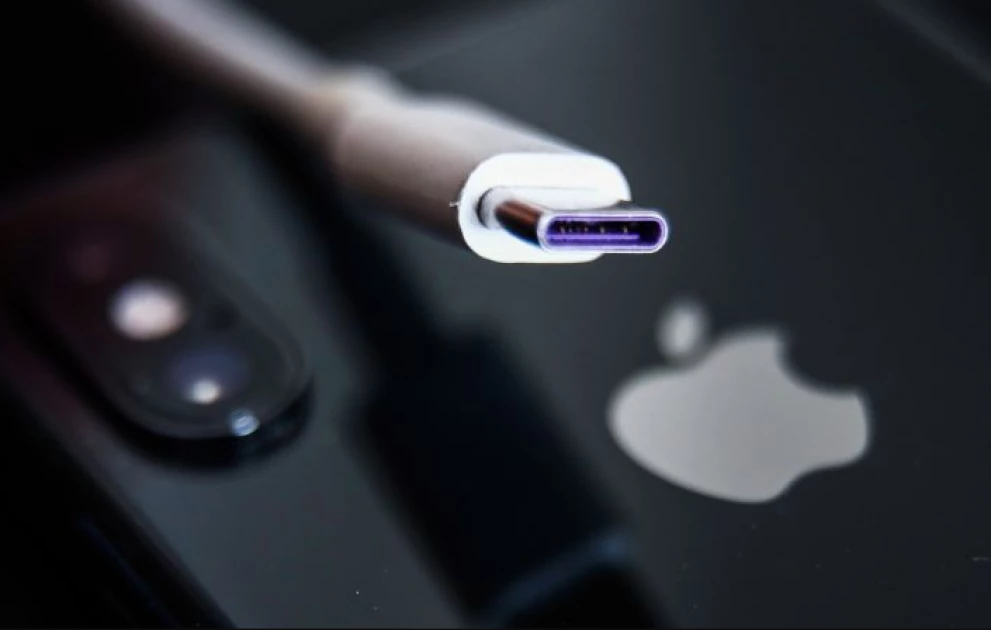
will have to be equipped with a port known as USB-C.
Apple may have begun this compliance ahead of
the rest since the modern MacBook Pros are already using the USB-C. The new law
may only accelerate its move in making all iPhones use Type-C to charge.
The charging headache is said to be behind
the use of multiple devices with the common mix of feature and smart phone by
many individuals driven by the longer lasting batteries of the devices with
many slang names including kabambe, katululu or mulika mwizi.
The new headache will be where to throw all
the cables, even worse, an already environmental challenge in some countries.
Leave a Comment