

Court declares mobile phone numbers part of digital identity in landmark privacy ruling
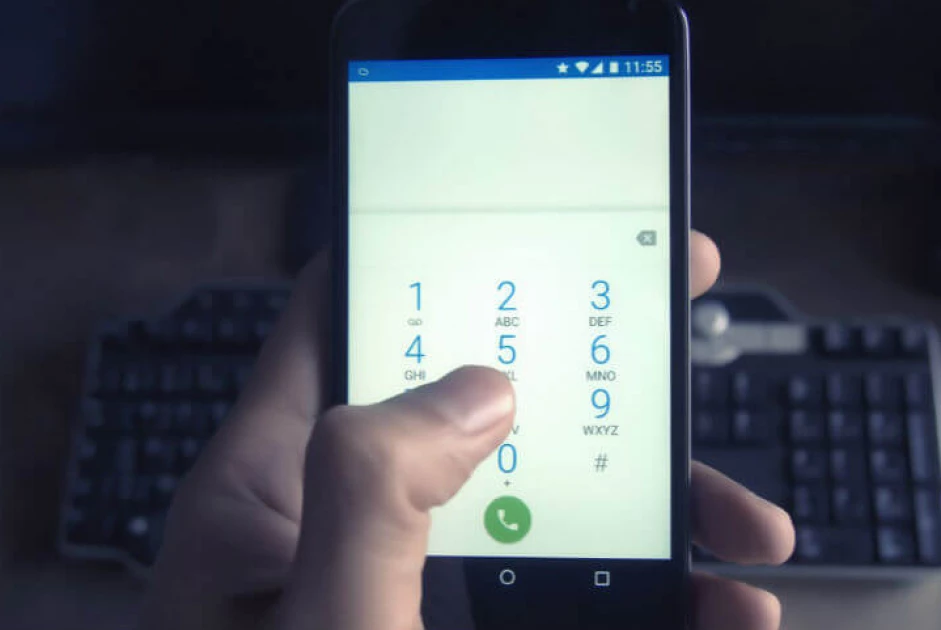
The petitioner argued that a mobile number is more than a communication tool, describing it as a gateway to sensitive personal data including banking, tax, and social information.

Audio By Vocalize
The High Court in Milimani has delivered a landmark ruling
recognizing mobile phone numbers as a core component of an individual’s digital
identity, raising significant implications for privacy rights in Kenya.
In the case of Erastus Ngura Odhiambo vs State, the court
found that the reassignment or recycling of inactive mobile phone numbers poses
serious constitutional concerns, particularly under Article 31 which guarantees
the right to privacy.
The petition was filed in June 2024 by inmate Erastus Ngura
Odhiambo, who challenged the practice by mobile service providers of
reallocating phone numbers after prolonged inactivity.
He argued that a mobile number is more than a communication
tool, describing it as a gateway to sensitive personal data including banking,
tax, and social information.
According to the petitioner, once such numbers are reassigned,
third parties risk receiving confidential messages intended for the original
owner, exposing individuals to potential data breaches.
He further told the court that prisoners are particularly
affected because incarceration prevents them from actively using their mobile
lines, leading to deactivation and eventual reassignment.
Odhiambo, who is serving a 20-year sentence, said he lost
access to his phone number during incarceration, disrupting communication with
his family, including his six children, and contributing to the collapse of his
business.
He added that institutions such as banks, the Kenya Revenue
Authority (KRA), and insurance companies continued sending sensitive
information to his former number, which had since been assigned to another
user.
He argued that this amounted to a violation of his right to
privacy, as well as rights to equality, communication, and access to
information.
The State opposed the petition, maintaining that while
prisoners retain fundamental rights, those rights are subject to reasonable
limitations.
Authorities relied on provisions of the Persons Deprived of
Liberty Act, which allow restriction of certain rights for reasons including
national security and public safety.
The Kenya Prisons Service told the court that mobile phones
are classified as prohibited items in prisons due to risks such as criminal
coordination, witness intimidation, and threats to national security.
Officials added that inmates are still able to communicate
through supervised means including phone calls, letters, and scheduled visits.
The case raised key legal questions on whether digital
identity is a constitutionally protected right, whether a registered mobile
phone number forms part of that identity, and the extent to which prisoners
retain their rights while in custody.
The petitioner maintained that no law expressly prohibits
prisoners from owning mobile phones and argued that blanket restrictions are
unconstitutional.
He further contended that limiting access to mobile numbers
denies inmates their digital identity and affects their ability to access
essential services in an increasingly digitized society.
Leave a Comment